The idea of using milk for skin whitening has been in existence for many generations. This belief, from generation to generation, was passed to people who use milk as a method of having fairer skin naturally through homemade tips and even through skincare routines currently popularized on social media platforms. Most people have the belief that the application of milk on the face and even drinking milk daily can make their skin lighter. As a result, milk for skin whitening has been among the most sought-after skincare topics.
However, the main question that comes up here is whether this theory is backed up by facts or whether this is simply a myth that has been passed down since time immemorial. For us to be able to determine whether this is a myth or a fact, we should look at what really happens when someone uses milk to treat skin issues. Milk is rich in vitamins A, D, and B12, as well as lactic acid that acts as an exfoliant for the skin, thus improving the texture of the skin without making any changes to the skin color.
When talking about milk and skin color, people tend to confuse the term whitening with brightening. It is true that milk makes your skin brighter and gives it a refreshing feeling. However, milk cannot change the color of your skin genetically.
What Science Says About Milk and Skin Health
To know whether milk is effective in skin lightening, there is a need to know about the interaction between the skin and milk. Scientifically, milk consists of lactic acid that acts as an exfoliator, helping the removal of dead skin cells, hence giving a smooth and brighter complexion to the skin. This is one of the reasons why milk is perceived to make the skin whiter.
Nevertheless, this is a temporary effect and not permanent. There are other benefits of using milk on the skin, like the presence of vitamins and other substances that enhance the healing of damaged skin. Therefore, the question concerning the suitability of milk for the skin has a positive answer, although contrary to what some people might expect.
Another factor that can be considered here is that milk is safe for almost all types of skin, including the sensitive ones. Milk is much safer compared to many other products, and this allows its daily application.
Raw Milk Benefits for Skin and Daily Use
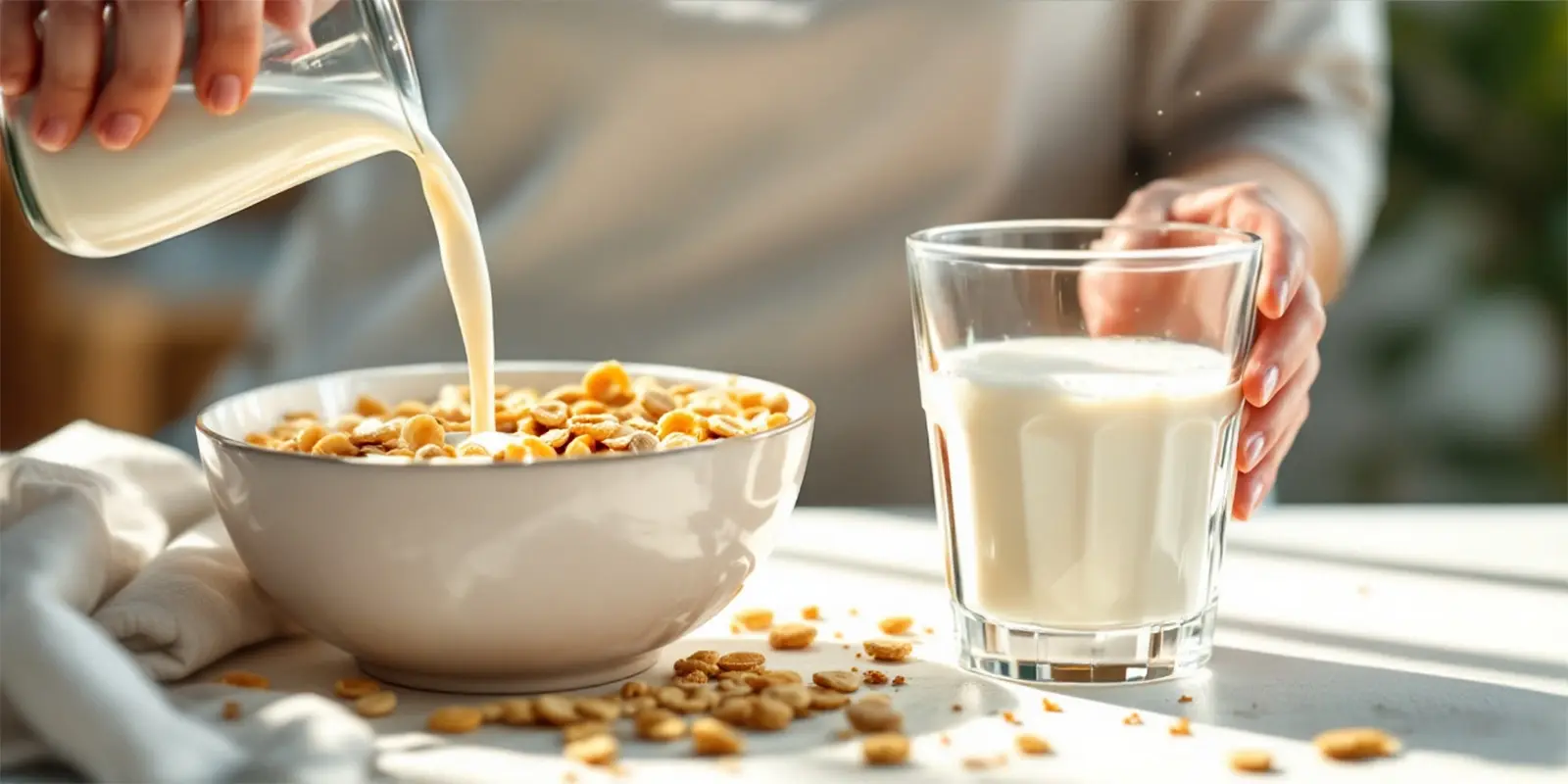
Another popular topic in skincare is the topical application of raw milk to the skin. The advantages of using raw milk for the skin involve its cleansing, hydrating, and exfoliating properties. Applying raw milk with a cotton swab allows the removal of dirt and oil from the skin while making it smooth.
People who apply raw milk regularly are bound to notice an improvement in the texture and appearance of their skin. This explains why milk is used in skincare treatments, particularly during cleansing and toning procedures. Nonetheless, it is vital to note that these benefits concern skincare, not skin whitening.
Milk can help achieve healthy-looking skin, but the idea that raw milk can make skin whiter is false and unrealistic. Consequently, it is crucial to understand that raw milk is a skincare product, not a magic solution.
Milk-Based Face Wash and Natural Skincare Trends
The idea of using cow’s milk as a cleanser for the face has become popular in recent times. It is especially appreciated by people looking for organic alternatives for their skincare.
Using milk as a cleanser will help keep the moisture barrier intact on your skin while also providing some amount of exfoliation. That is why milk is used in several skin-care regimens that involve milk. Regular usage will help make your skin smoother and fresher.
Yet, despite all these benefits, it is still not entirely true that milk can make the skin white. What milk does is provide nourishment and care. Your natural skin color will remain unchanged no matter what you do.
Benefits of Drinking Milk for Healthy Skin
While topical application is common, the value that comes with consuming milk for skin cannot be overstated. Consuming milk regularly ensures that your body gets the right amounts of vitamins and proteins, which help to keep the skin healthy and elastic.
A healthy diet that includes milk can definitely result in clear and healthier-looking skin. It is here that the true value of milk lies. Instead of focusing only on the role of milk in skin whitening, it would be better to look at the ways milk helps skin to stay healthy.
When you provide your body with the right nutrition, it affects your skin positively. That is why most people believe that healthy skin comes from the inside. While consuming milk may not make your skin lighter in color, it can surely improve its condition.
Milk Benefits for Skin Beyond Whitening
Milk also has several advantages when it comes to the skin, other than whitening. Milk helps in soothing irritated skin, decreasing dryness, and making the skin texture better. Also, milk has the ability to relax, especially on sensitive skin.
People who use milk as a part of their skincare regimen notice that it gives them a natural glow. Sometimes, people confuse this glow for a whitening effect, and therefore, it continues to be a popular ingredient in skin whitening conversations.
Also, milk is very safe to use and easily accessible, thus making it easy to apply for skin maintenance purposes every day, unlike other expensive skincare items.
Is Milk Really Effective for Skin Whitening?
From the above analysis, it is clear that the use of milk to whiten the skin is nothing more than a myth, and not a scientifically proven technique. Milk does not have the capability to turn back time and make the individual’s skin lighter forever. Instead, it helps in improving the quality of the skin, thus giving it a more radiant appearance.
The misconception arises from the fact that milk causes immediate positive effects, like smooth and glowing skin. Even though this makes us perceive ourselves as being more radiant, we are actually just seeing a change in texture and not in skin color.
Thus, when asked if milk is a good way to whiten your skin, the truth is that while it works well in improving the look of the skin, it cannot change the color.
Why Olper’s Milk is a Trusted Choice for Skin and Health
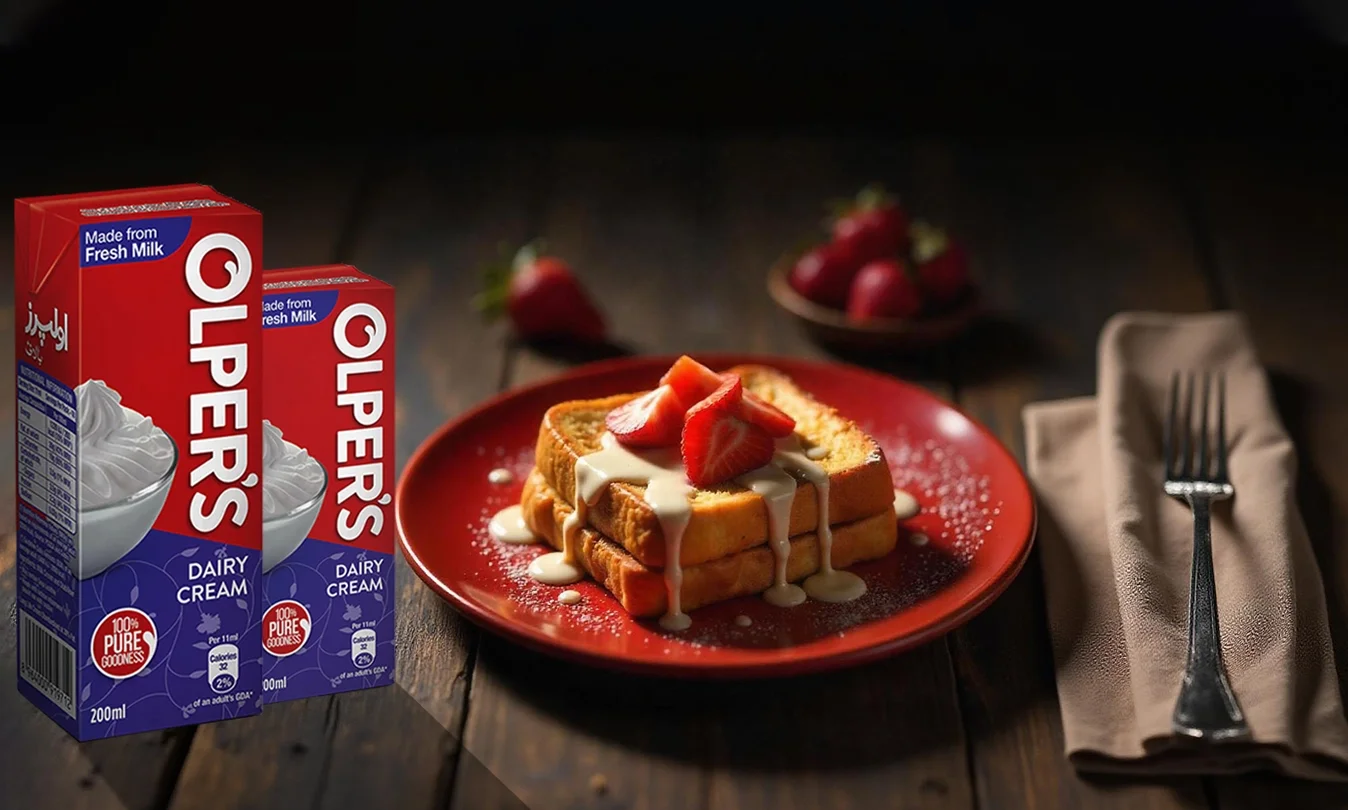
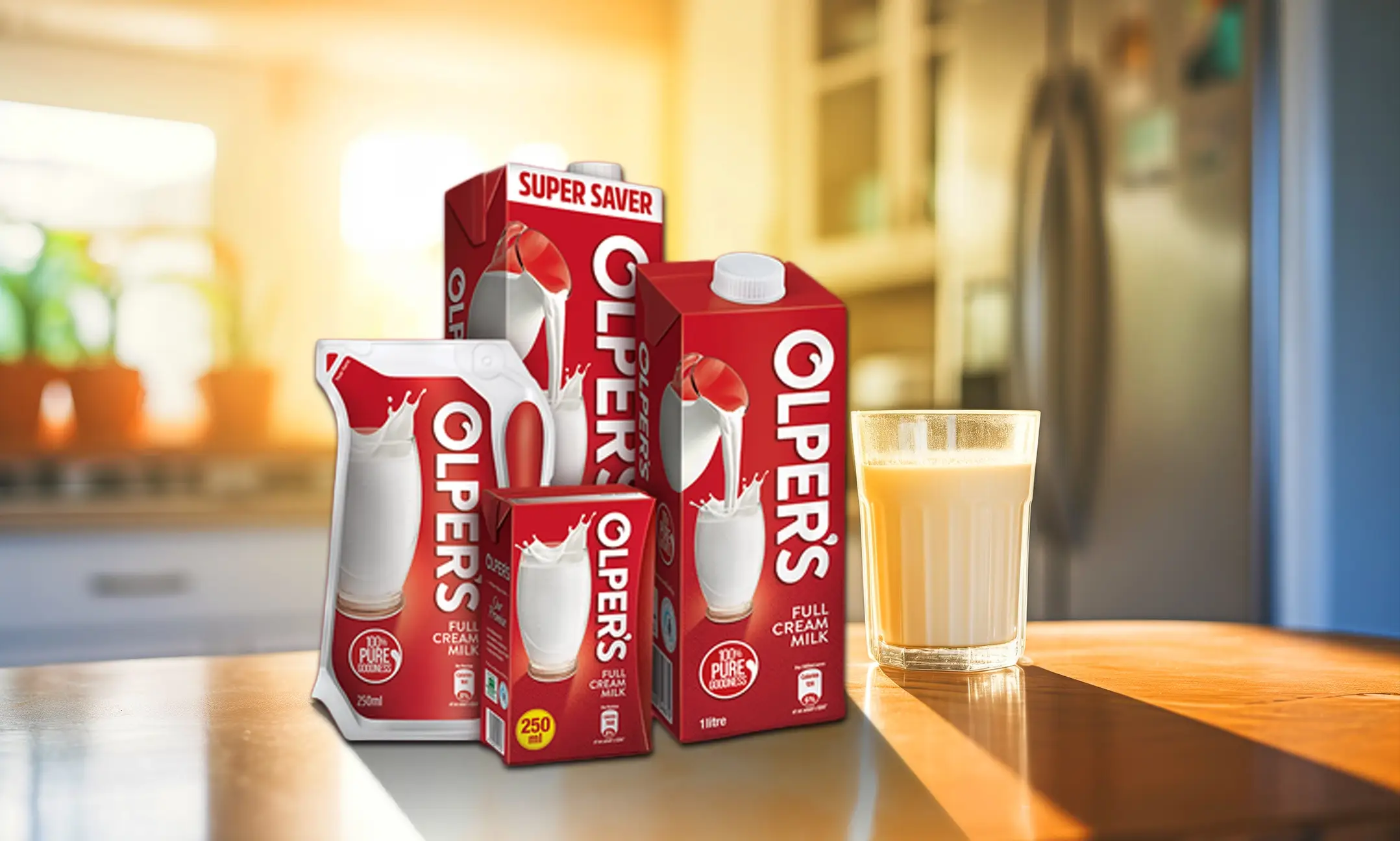
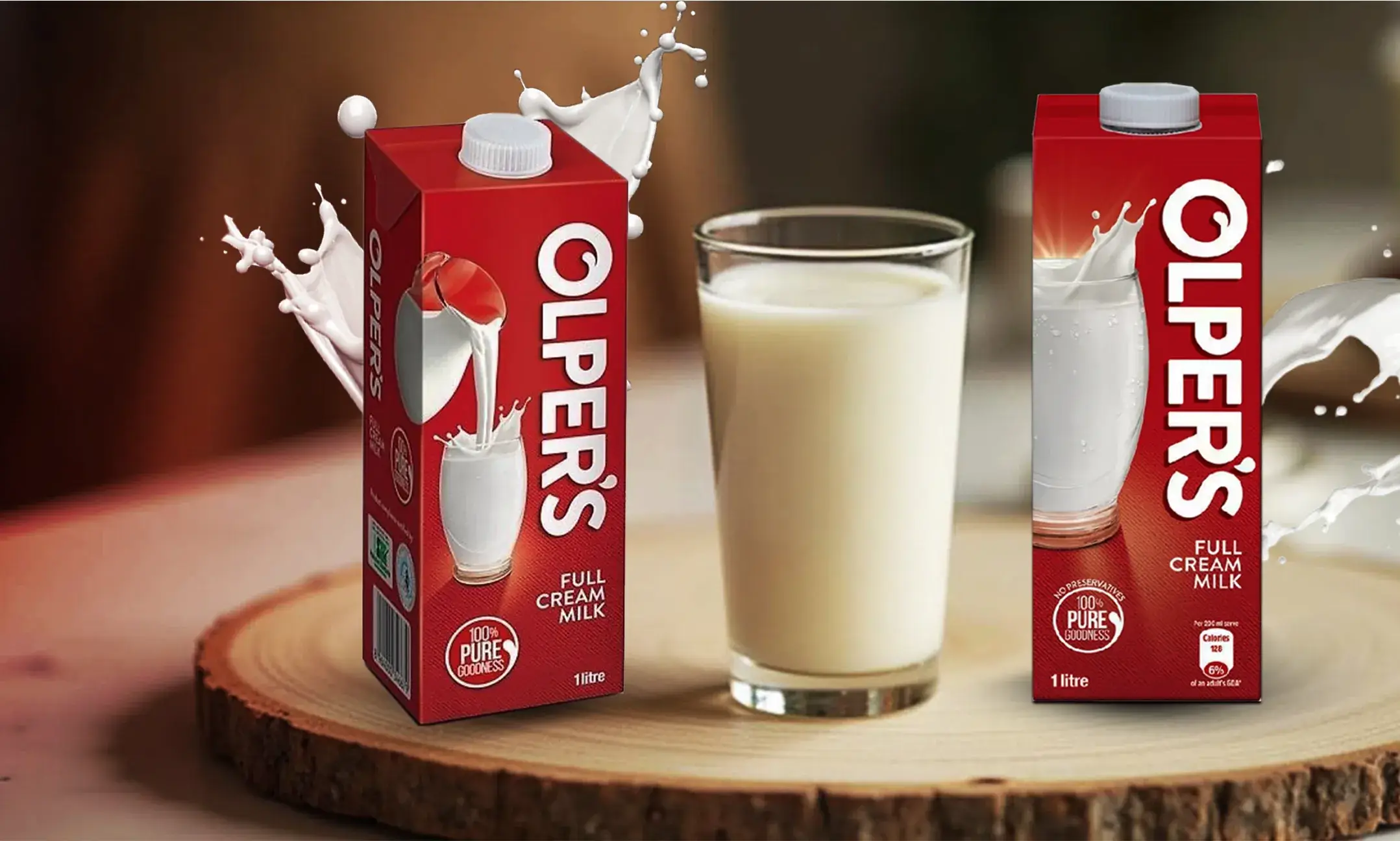
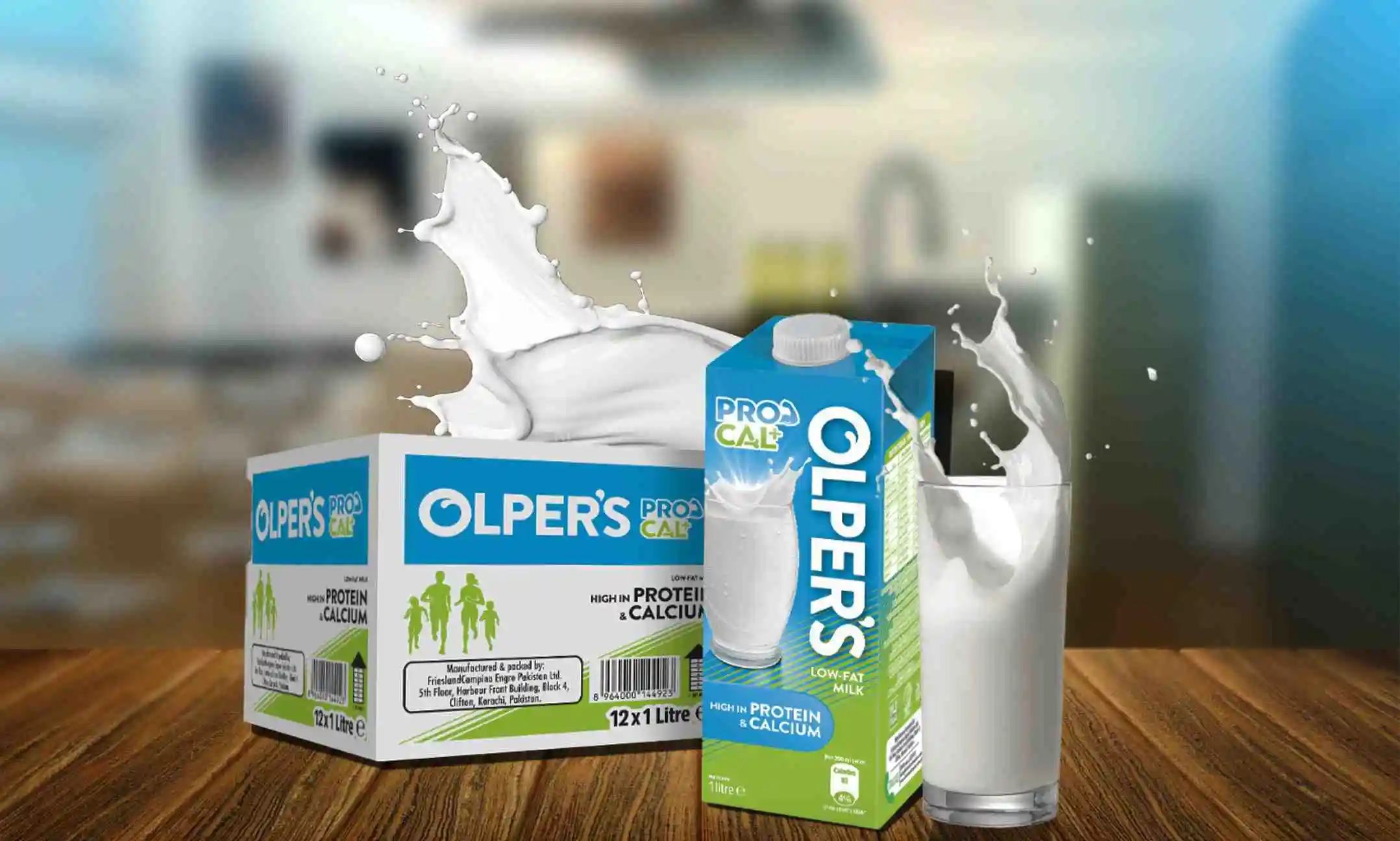
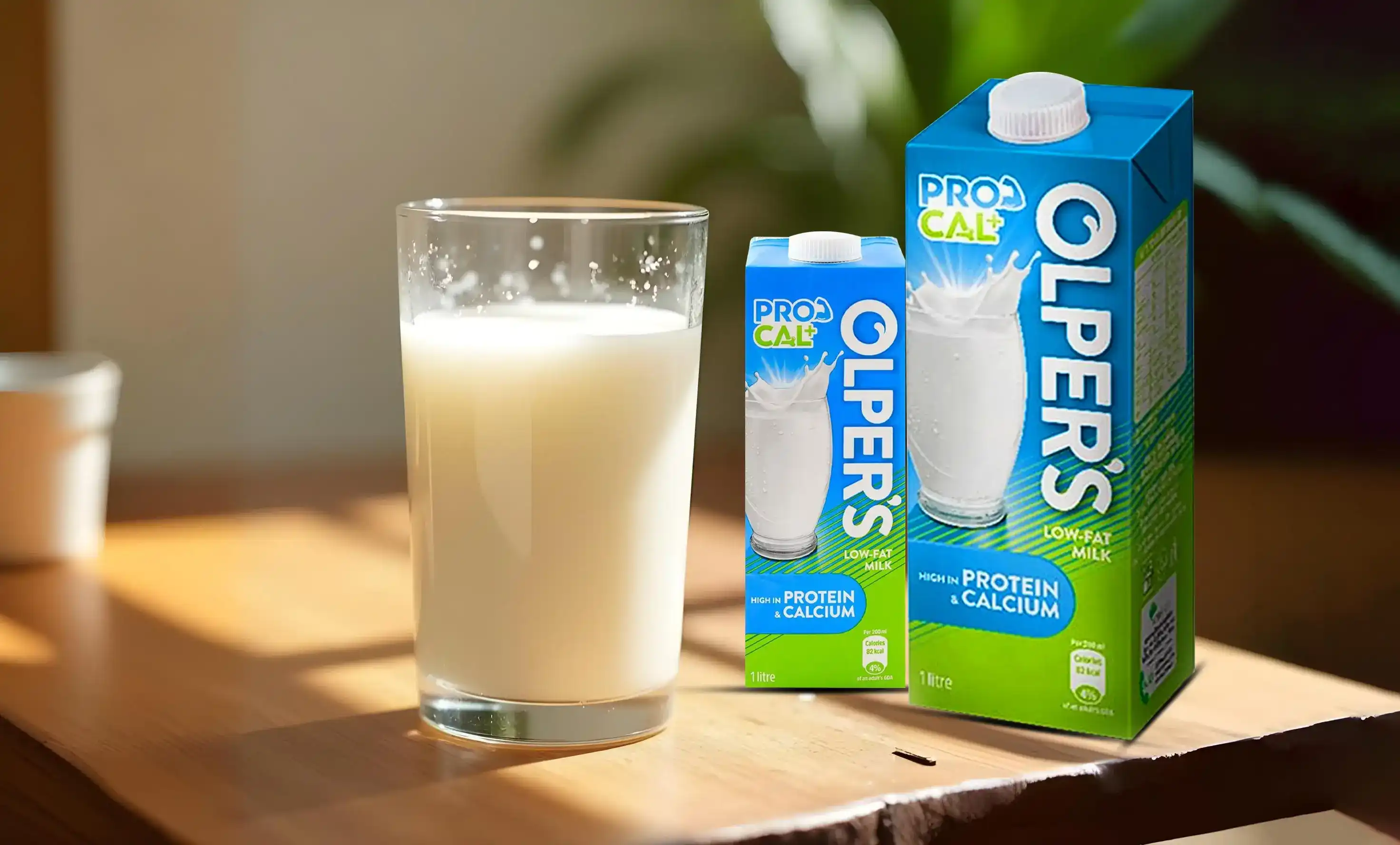
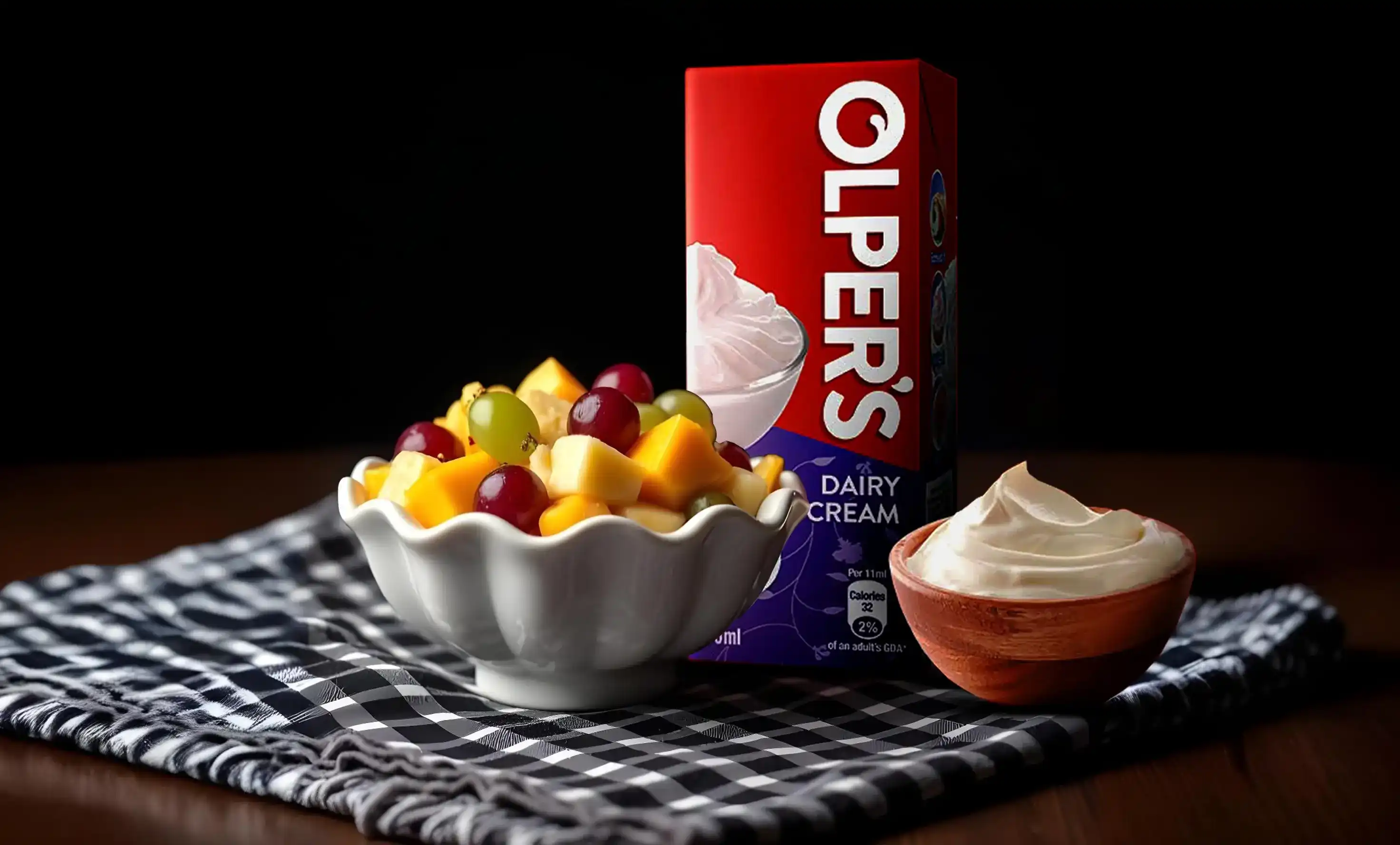
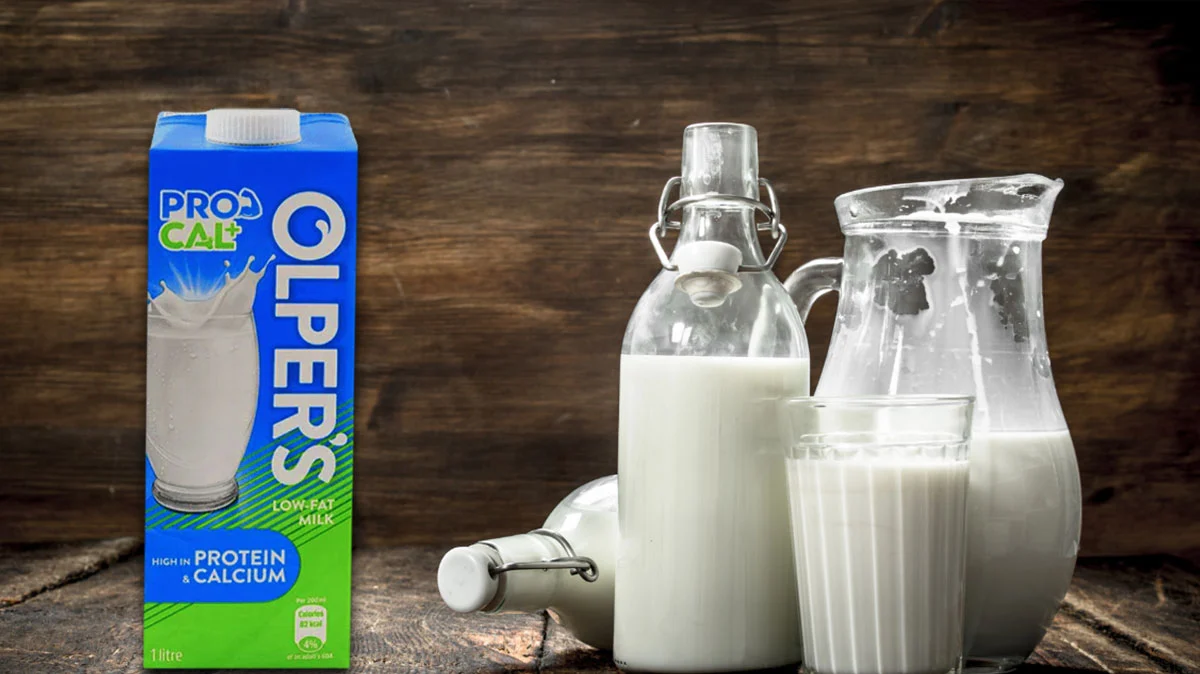
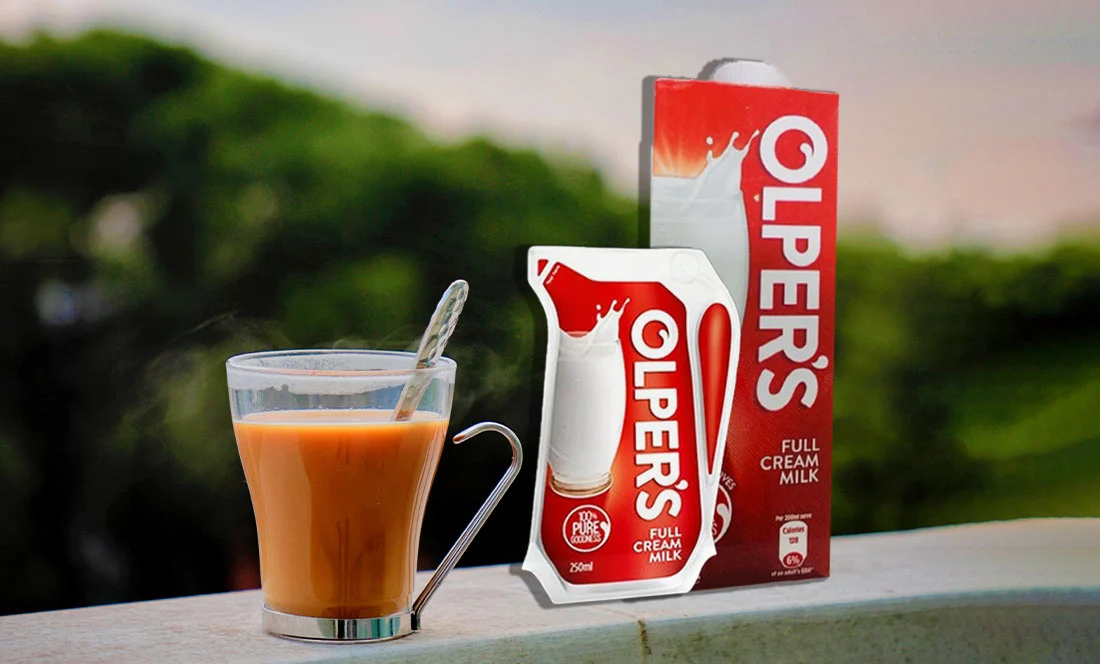
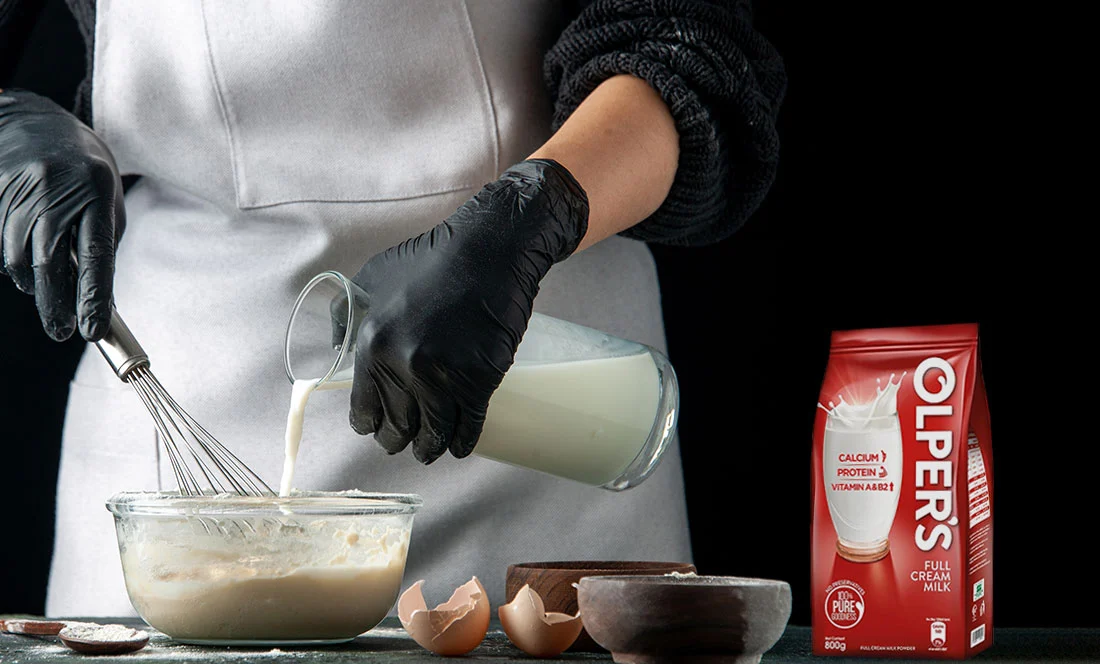
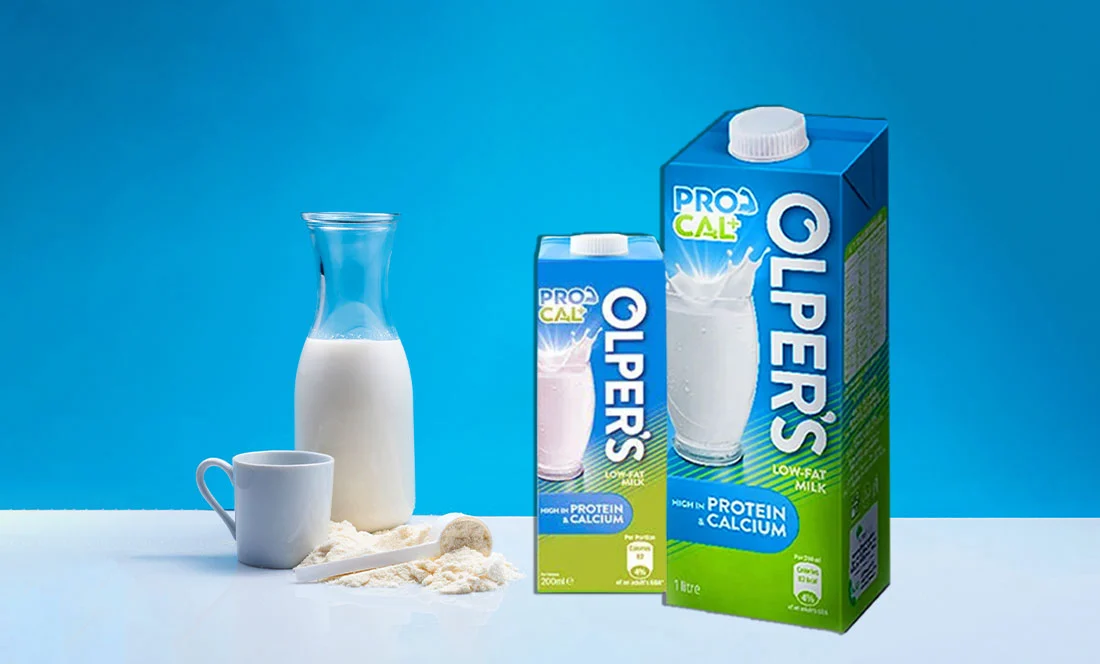
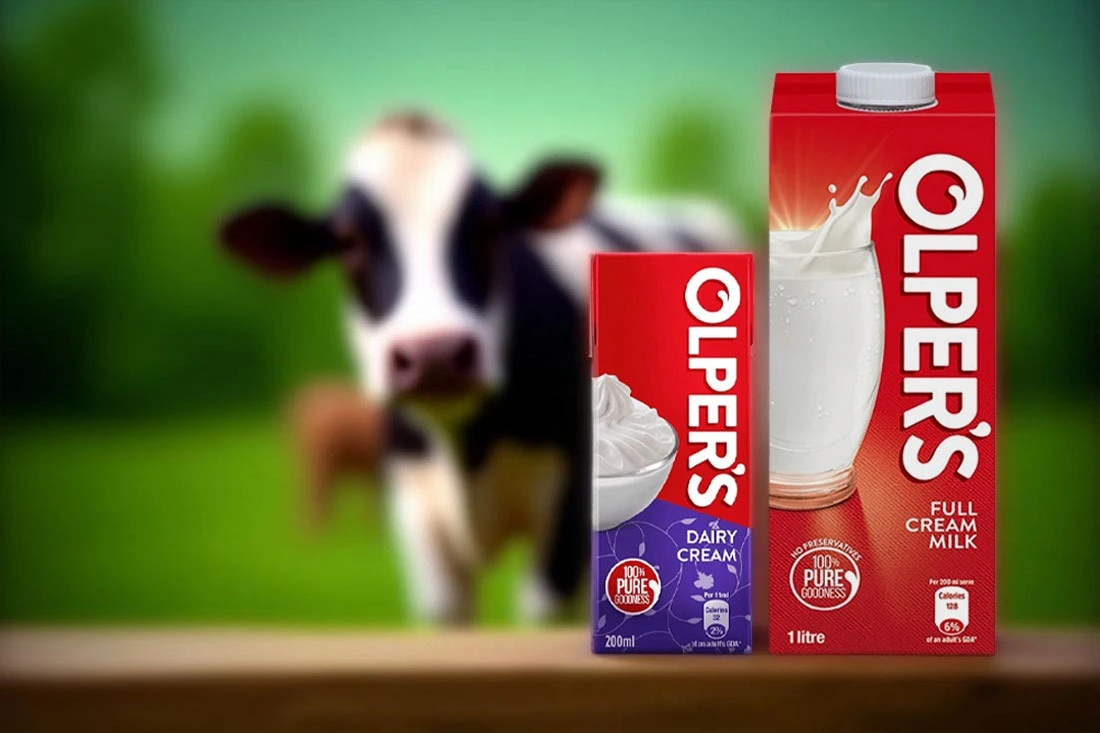
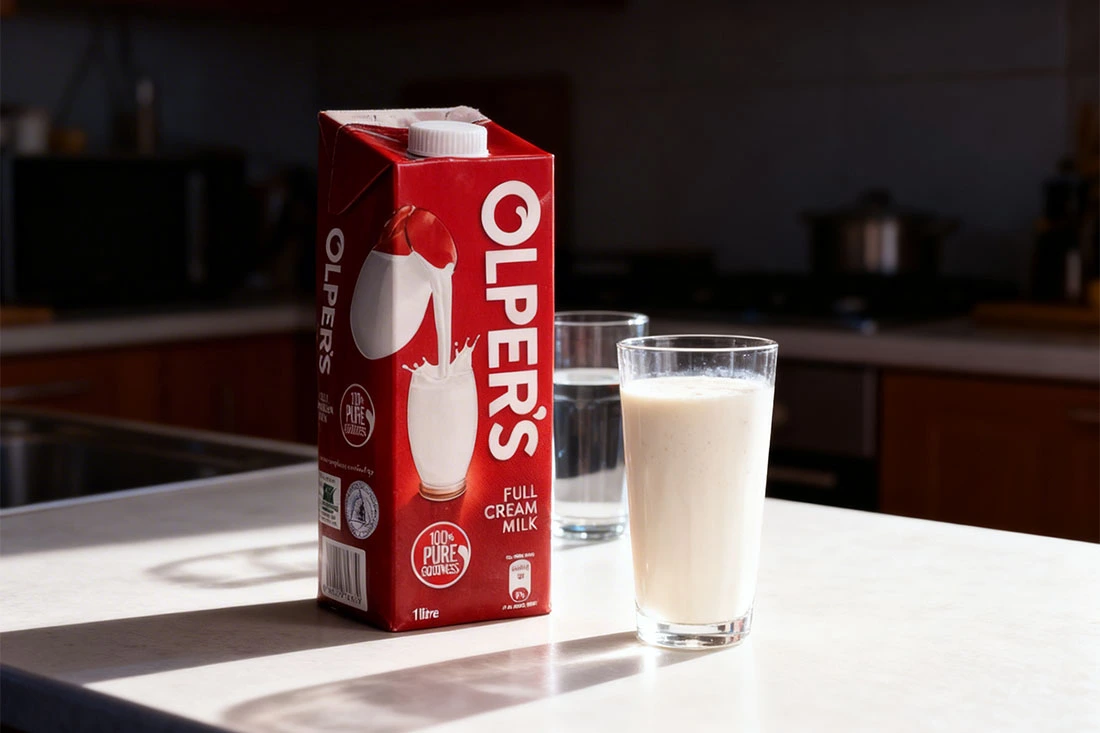
In choosing milk that is to be used on a daily basis, quality becomes key. Olper’s is a reputable name in the same line and has gained recognition for its purity and quality. Olper’s milk is nutrient-packed.
The choice of high-quality milk is necessary irrespective of whether the milk will be used topically on the skin or ingested. The availability of high-quality milk through Olper’s enables both skincare and healthy living. Due to the purity of milk, the choice of a good brand makes all the difference.
By including Olper’s in one’s lifestyle, the user can fully take advantage of the positive impact of milk on the skin with confidence in quality. This may be through the application of milk in cleansing the face or inclusion in the diet.
Final Thoughts on Milk and Skin Care
In the pursuit of discovering what milk offers to our skin for its whitening potential, we discover something even more valuable. Milk is an excellent natural product that works wonders with the skin; however, its magic consists of nourishing and enhancing our skin as opposed to changing its coloring properties.
Thus, there is no need to go after some impossible objectives related to the whitening of skin when simple care can bring about visible results. Cleansing and drinking enough water will help one achieve a brighter look; moreover, milk can become an integral part of one's daily skincare routine.
Overall, it can be noted that the use of milk for skin whitening purposes is based on a half-truth. Milk cannot turn one's complexion into porcelain; however, it will provide excellent natural care for your skin. Thus, it would be reasonable to purchase high-quality milk from Olper's, for example, and benefit from using it regularly.
FAQs Regarding Milk for Skin Whitening
How to use milk for skin whitening overnight?
Apply milk with cotton before bed and rinse in the morning for smoother, brighter (not whiter) skin.
Which milk is best for glowing skin?
Raw or full-fat milk is best for glowing skin due to its higher nutrients and moisturizing properties.
Is milk good for skin tightening?
Milk can slightly improve skin firmness by hydrating and nourishing, but it doesn’t truly tighten skin.
Does milk help with skin lightening?
Milk helps brighten the skin temporarily by exfoliating, but it does not permanently lighten skin tone.