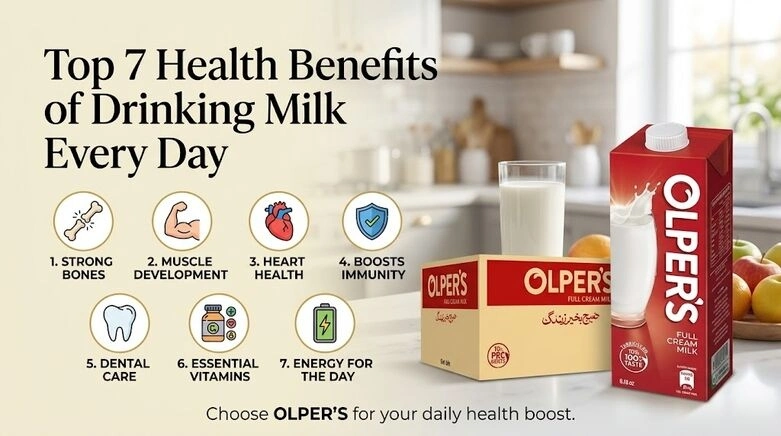
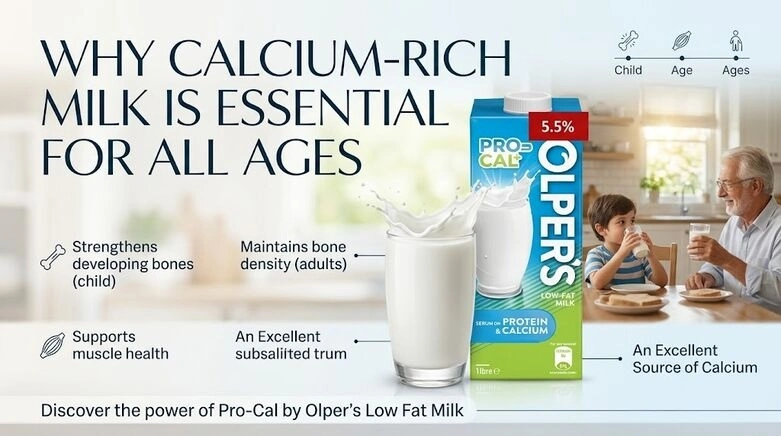
Low-fat milk has become a popular choice for people who want to reduce fat intake without sacrificing essential nutrients. It offers a balanced combination of protein, calcium, and vitamins while containing fewer calories than full-cream milk.
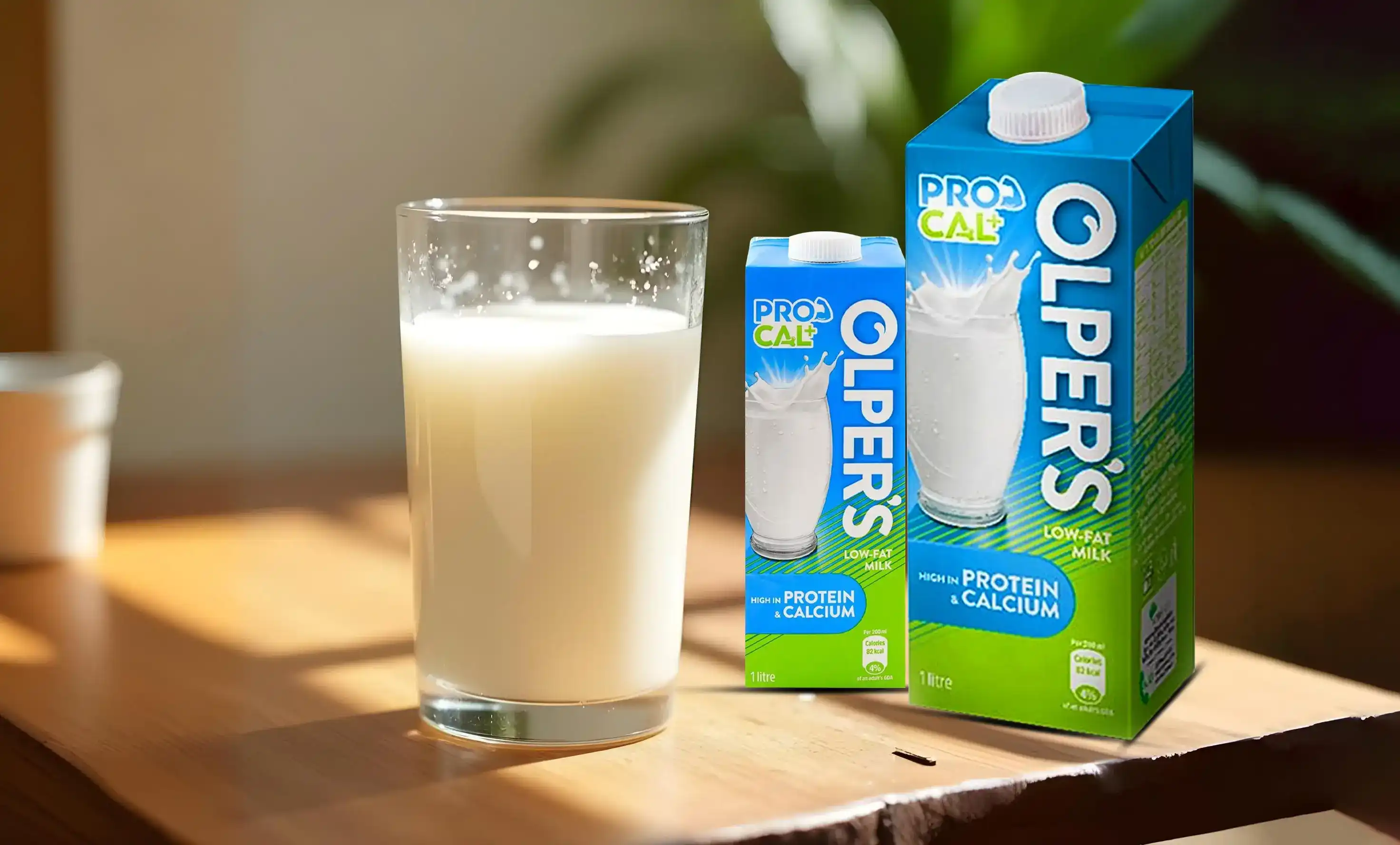
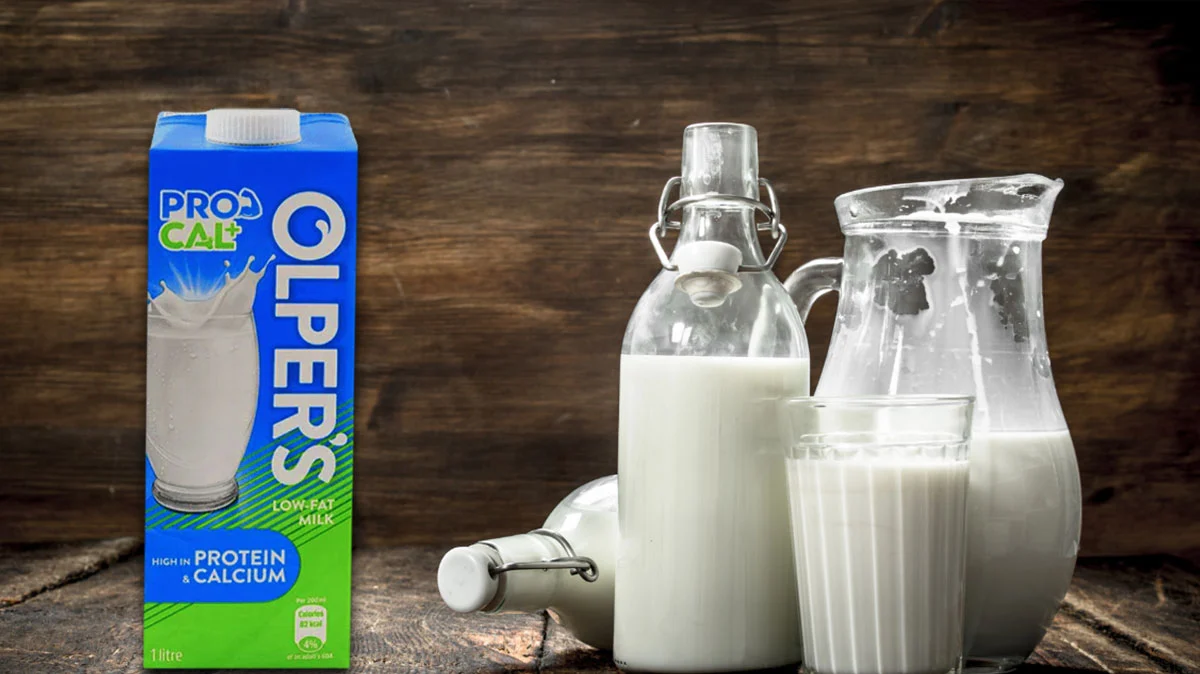
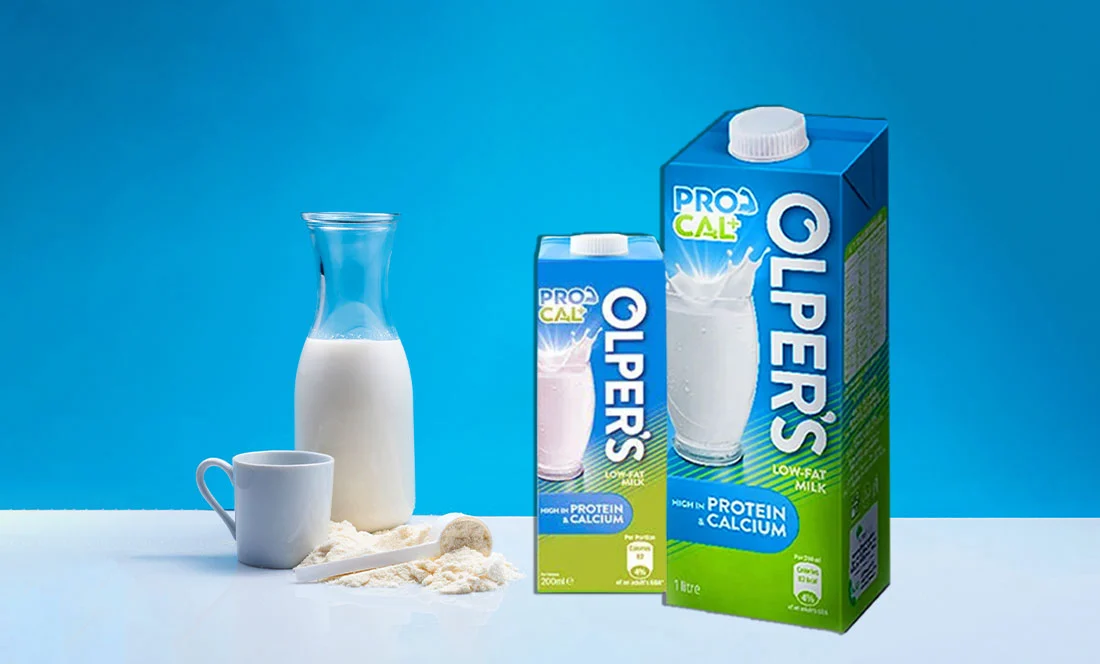
Many dairy brands now provide high-quality low-fat milk options that combine nutrition, taste, and safety. Among them, Olper’s offers reliable low-fat milk products that help families maintain a healthier lifestyle without compromising on flavor.
With its lighter texture and nutritional value, low-fat milk fits easily into modern diets and daily routines.
What Is Low Fat Milk?
Low-fat milk, also called reduced-fat or semi-skimmed milk, is milk that has had part of its natural fat removed. Typically, it contains around 1–1.5% fat, compared to full-cream milk, which contains about 3–4% fat.
Although some of the cream is removed, low-fat milk still retains most of its essential nutrients, including protein, calcium, and vitamins. This makes it a lighter option while still delivering important health benefits.
Modern processing techniques allow dairy brands to maintain the freshness, taste, and safety of milk even after reducing its fat content. As a result, low-fat milk remains smooth and refreshing rather than watery.
Why Choose Low Fat Milk?
People choose low-fat milk for several health and lifestyle reasons.
One of the main benefits is lower calorie intake, which can help support weight management. Reducing saturated fat intake may also contribute to better heart health when combined with a balanced diet.
Despite having less fat, low-fat milk still delivers key nutrients such as:
- Calcium for strong bones and teeth
- Protein for muscle maintenance and energy
- Vitamin D to help the body absorb calcium
Many individuals also find low-fat milk easier to digest compared to heavier full-cream milk. It works well in tea, coffee, smoothies, cereals, and everyday cooking, making it a practical choice for busy households.
How Low Fat Milk Differs from Full Cream Milk?
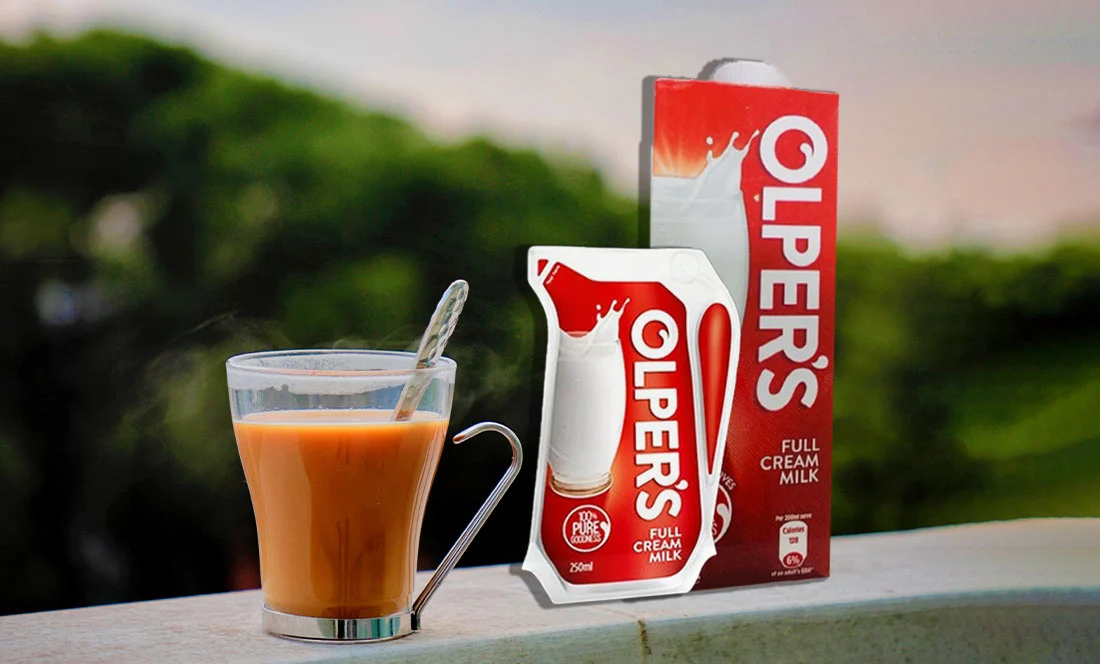
Low-fat milk and full-cream milk mainly differ in their fat content and calorie levels.
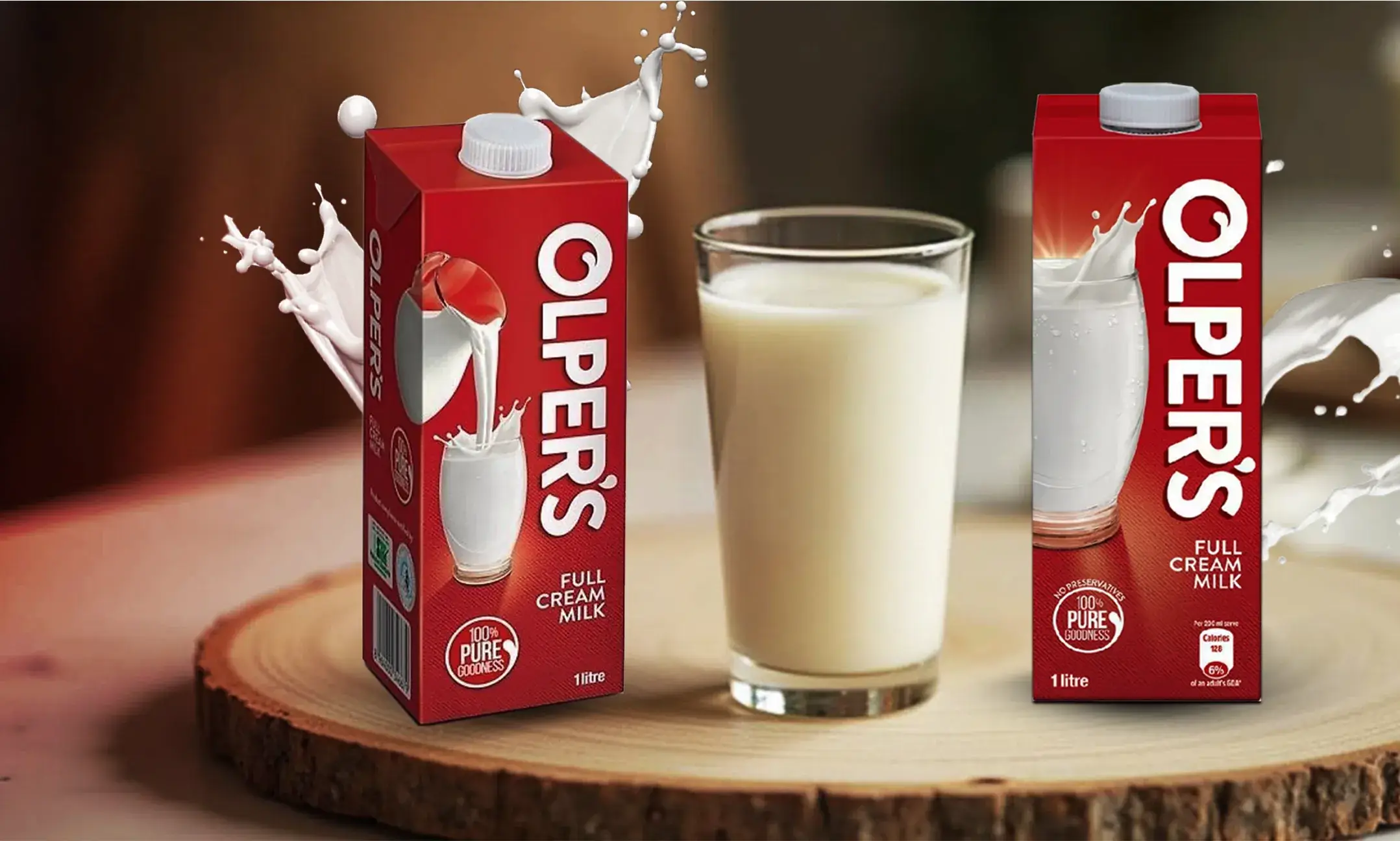
Low-fat milk typically contains 1–1.5% fat, while full-cream milk contains around 3–4% fat. This difference also affects the number of calories and the overall texture of the milk.
Low-fat milk tends to have a lighter and thinner texture, while full-cream milk is richer and creamier. Because of this, full-cream milk is often preferred for rich desserts and creamy recipes, while low-fat milk is commonly used in lighter beverages and healthier meals.
Both types of milk still provide essential nutrients, but the choice depends on dietary goals and taste preferences.
What Are the Benefits of Low Fat Milk?
1. Supports Weight Management
Low-fat milk provides essential nutrients with fewer calories, making it helpful for people trying to maintain or manage their weight. Its protein content also helps promote a feeling of fullness, which may reduce unnecessary snacking.
2. Supports Heart Health
Because it contains less saturated fat than full-cream milk, low-fat milk can be part of a heart-conscious diet. Reducing saturated fat intake may help maintain healthy cholesterol levels.
3. Provides Essential Nutrients
Even after fat reduction, low-fat milk remains a good source of:
- Calcium for bone strength
- Protein for muscle repair and growth
- Vitamin D to support calcium absorption
These nutrients make it suitable for children, adults, and older individuals seeking balanced nutrition.
4. Versatile for Cooking
Low-fat milk works well in a wide variety of recipes. It can be used in:
- Morning tea or coffee
- Smoothies and protein shakes
- Light sauces and soups
- Baking recipes
It helps maintain flavor and texture while keeping dishes lighter.
Top Low Fat Milk Brands
Several dairy brands offer low-fat milk options with good nutritional value and quality processing.
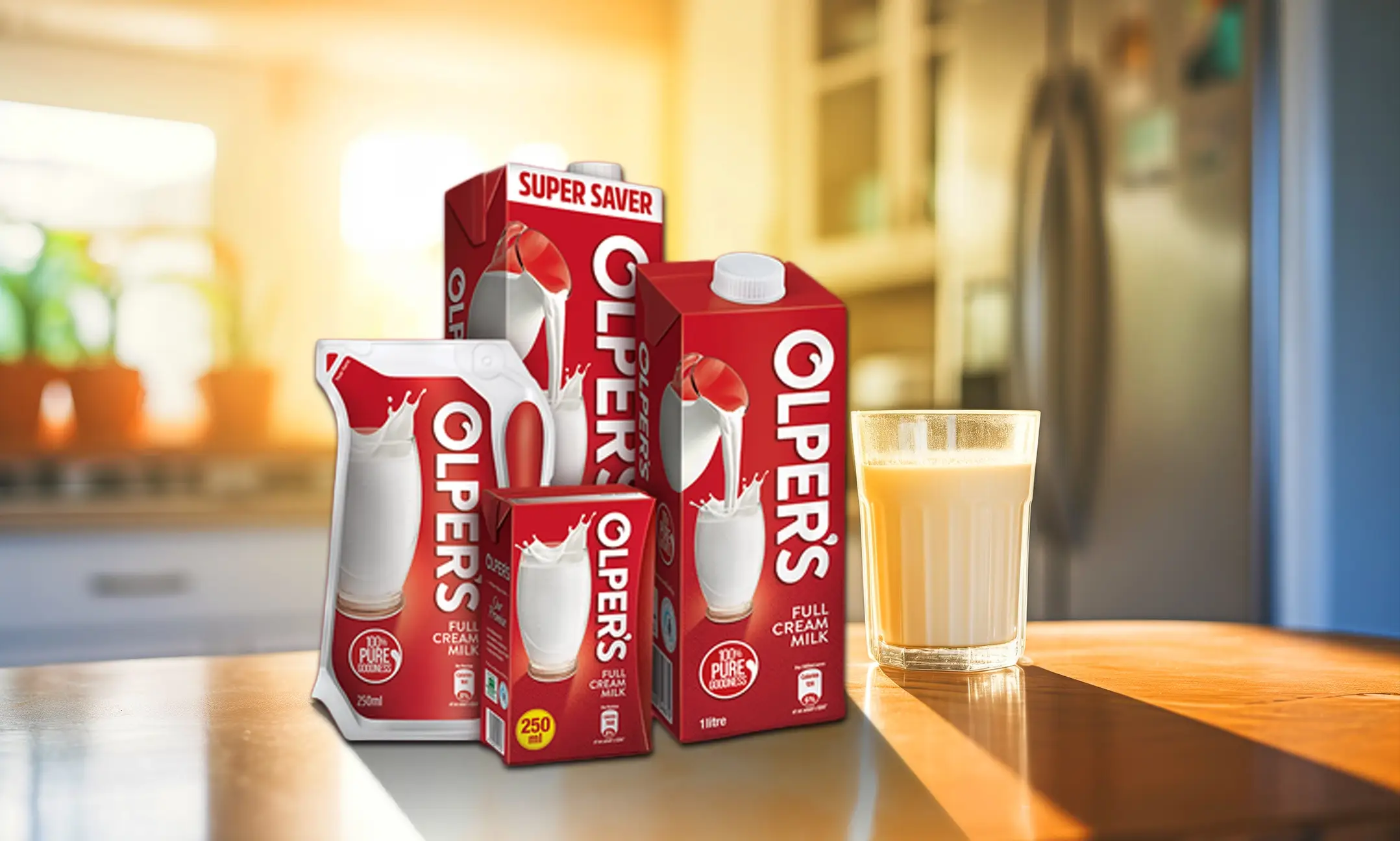
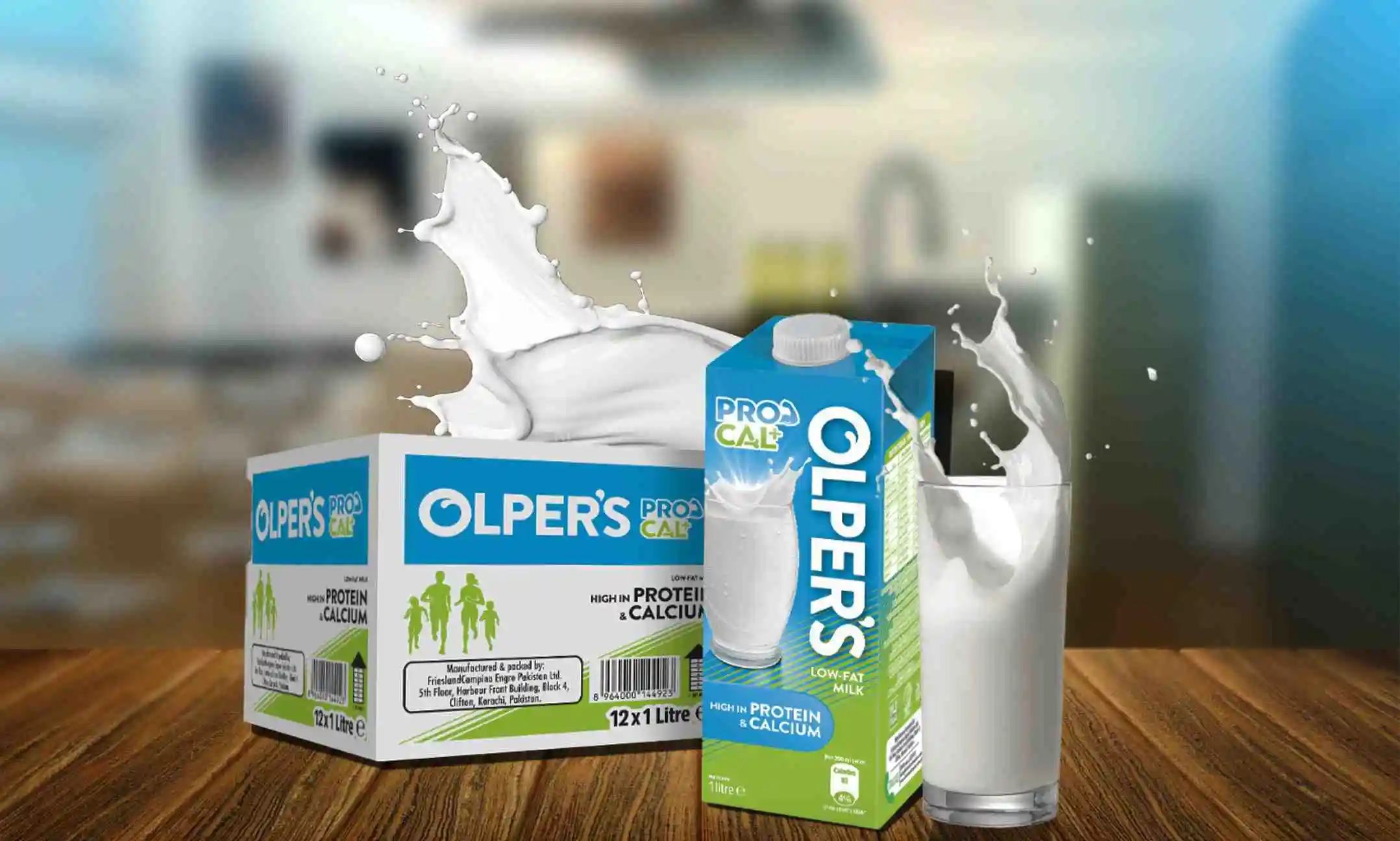
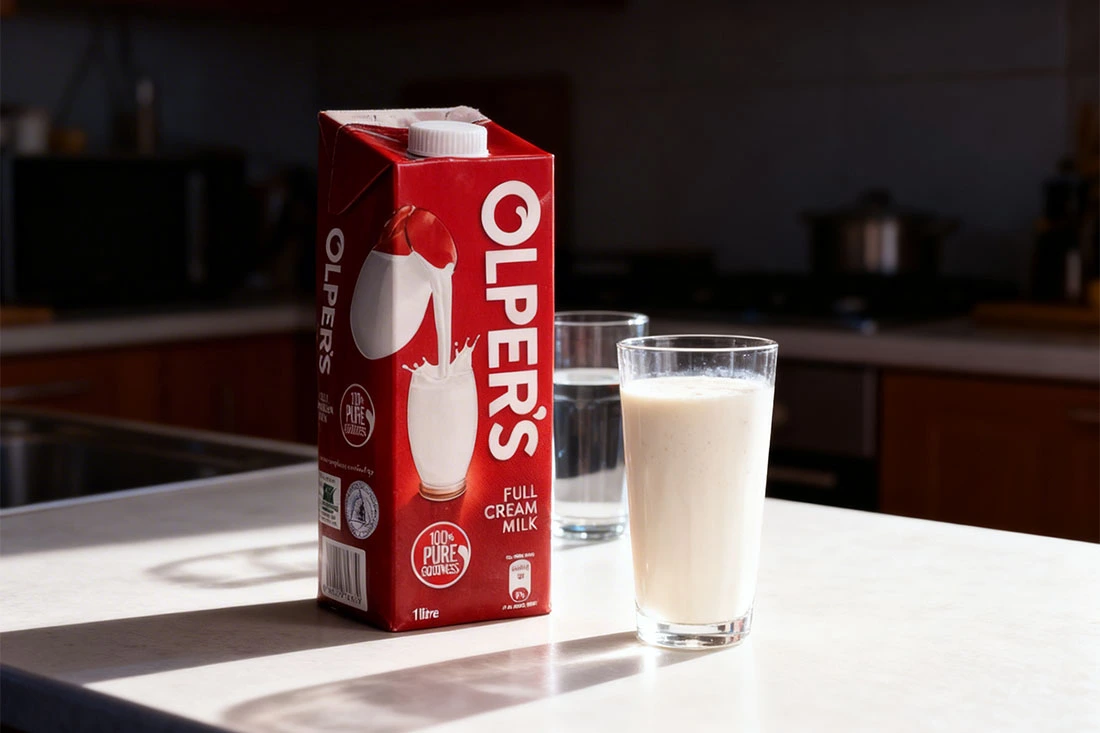
Olper’s Low Fat Milk is widely recognized for its clean processing, balanced nutrition, and smooth taste. The brand focuses on maintaining freshness from farm to packaging, ensuring consistent quality.
Other brands offering low-fat milk include:
- Nestlé Everyday Low Fat Milk
- Haleeb Low Fat Milk
- Various local dairy brands available in Pakistan
Consumers often choose brands based on taste, reliability, and quality standards.
When Should You Drink Low Fat Milk?
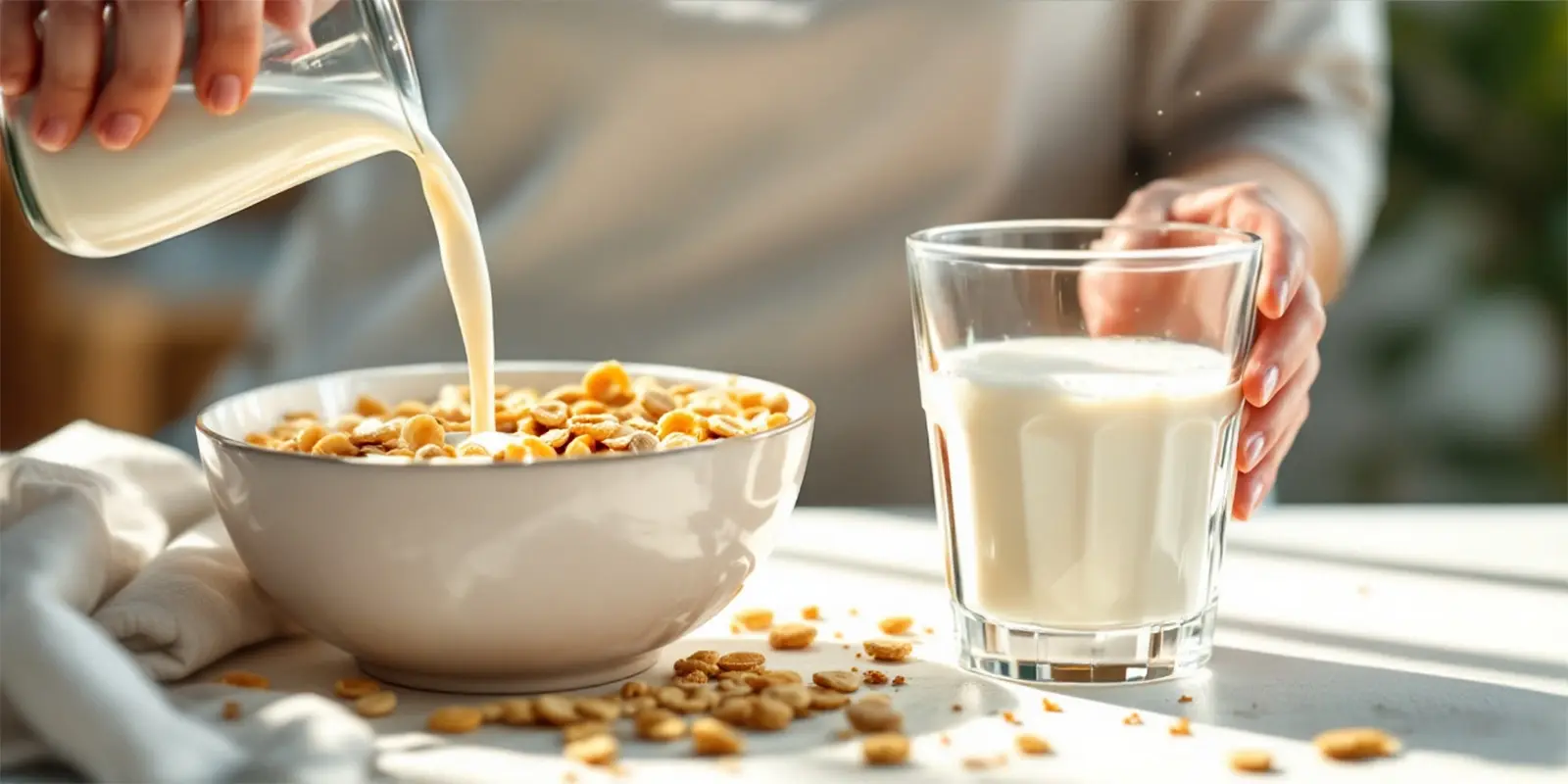
Low-fat milk can be enjoyed at different times throughout the day. Many people drink it during breakfast with cereal or tea, while others prefer it as a midday snack or smoothie ingredient. Because it provides protein and nutrients, it can also be consumed after exercise for light recovery. It is also suitable for individuals following calorie-conscious diets, as it provides nourishment without excess fat.
Final Thoughts on Low Fat Milk
Low-fat milk is a nutritious and versatile alternative to full-cream milk. It provides essential nutrients such as protein, calcium, and vitamin D while containing fewer calories and less fat. Because of its lighter texture and balanced nutrition, low-fat milk fits easily into modern diets and everyday meals. Whether used in beverages, cooking, or baking, it offers a practical way to enjoy the benefits of milk while maintaining a healthier lifestyle.
FAQs Regarding Low Fat Milk
Is low fat milk healthier than full cream milk?
It depends on your dietary goals. Low-fat milk contains fewer calories and less saturated fat while still providing important nutrients.
Can children drink low fat milk?
Yes, older children can drink low-fat milk. However, children under two years old typically require full-cream milk for proper growth and development.
Does low fat milk taste different?
Yes, low-fat milk has a lighter and less creamy taste compared to full-cream milk. Most people adapt to the flavor quickly.
Is low fat milk good for heart health?
Low-fat milk can support heart health by reducing saturated fat intake when included as part of a balanced diet.
Which low fat milk brand is best?
Many brands provide good quality low-fat milk. Consumers often choose based on taste, nutritional value, and trust in the brand.