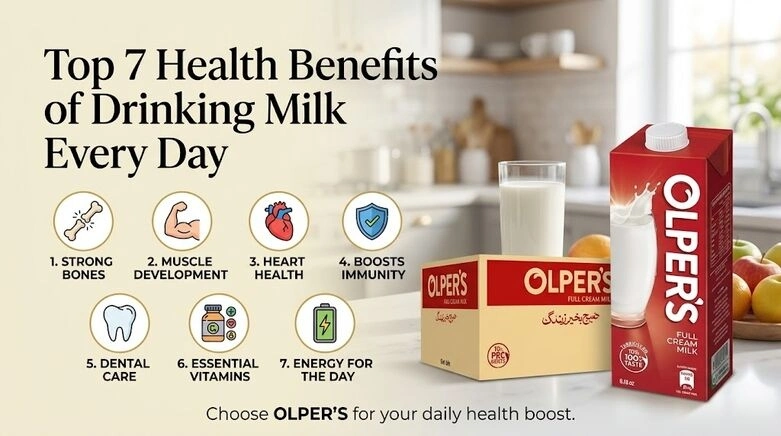
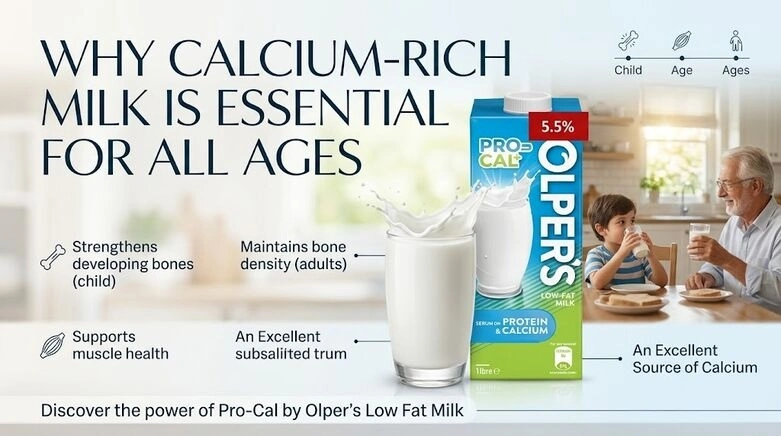
Milk is one of the most widely consumed beverages in the world and an essential part of many diets. It provides important nutrients such as calcium, protein, and vitamins that support overall health. However, when choosing milk, many people wonder whether full cream milk or skim milk is the better option.
Both types of milk come from the same source but differ mainly in their fat content, calorie levels, and taste. While full cream milk is known for its rich texture and natural creaminess, skim milk offers a lighter alternative with significantly less fat.
Understanding the differences between these two options can help you select the one that best suits your health goals, lifestyle, and taste preferences.
What Is Full Cream Milk?
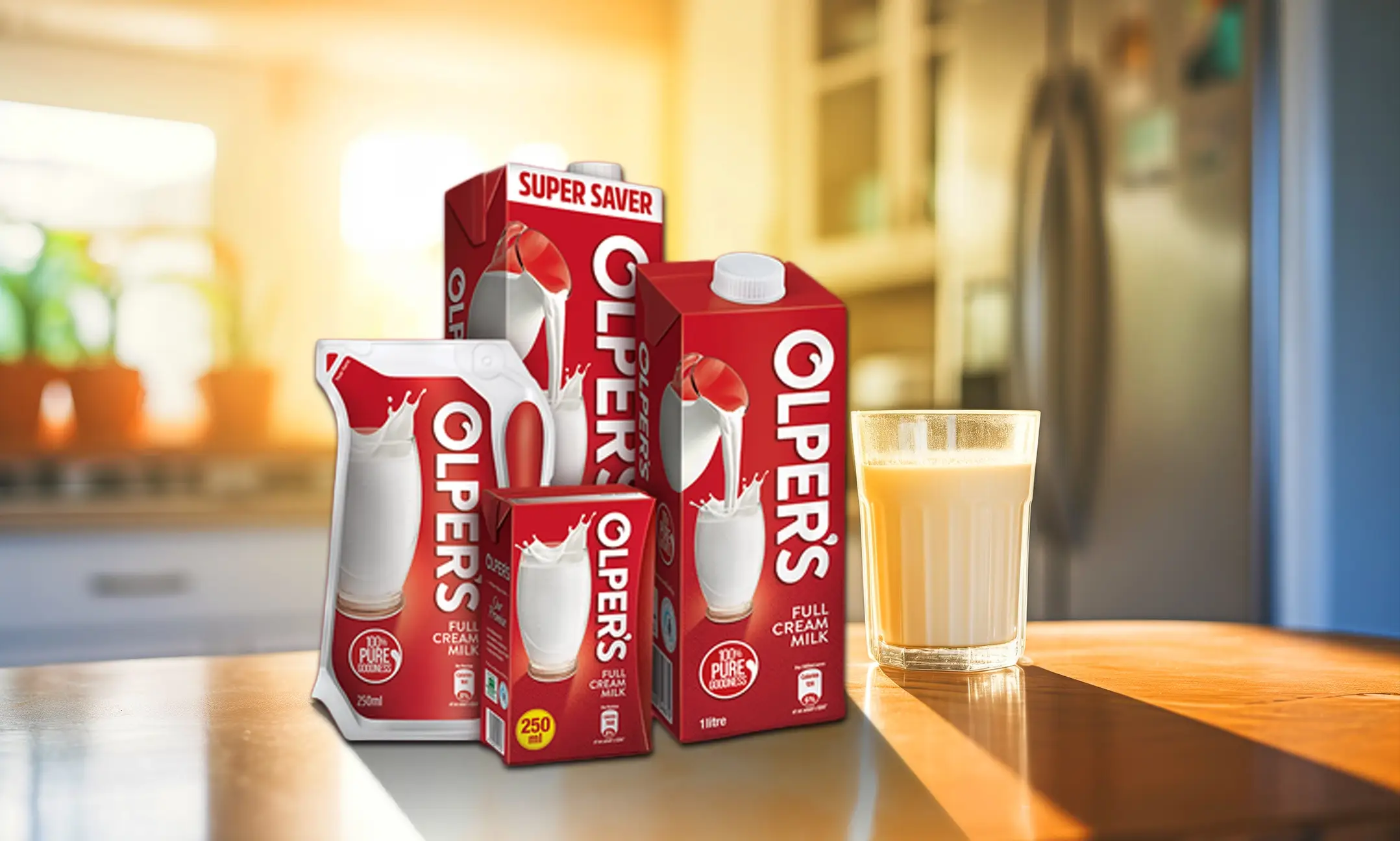
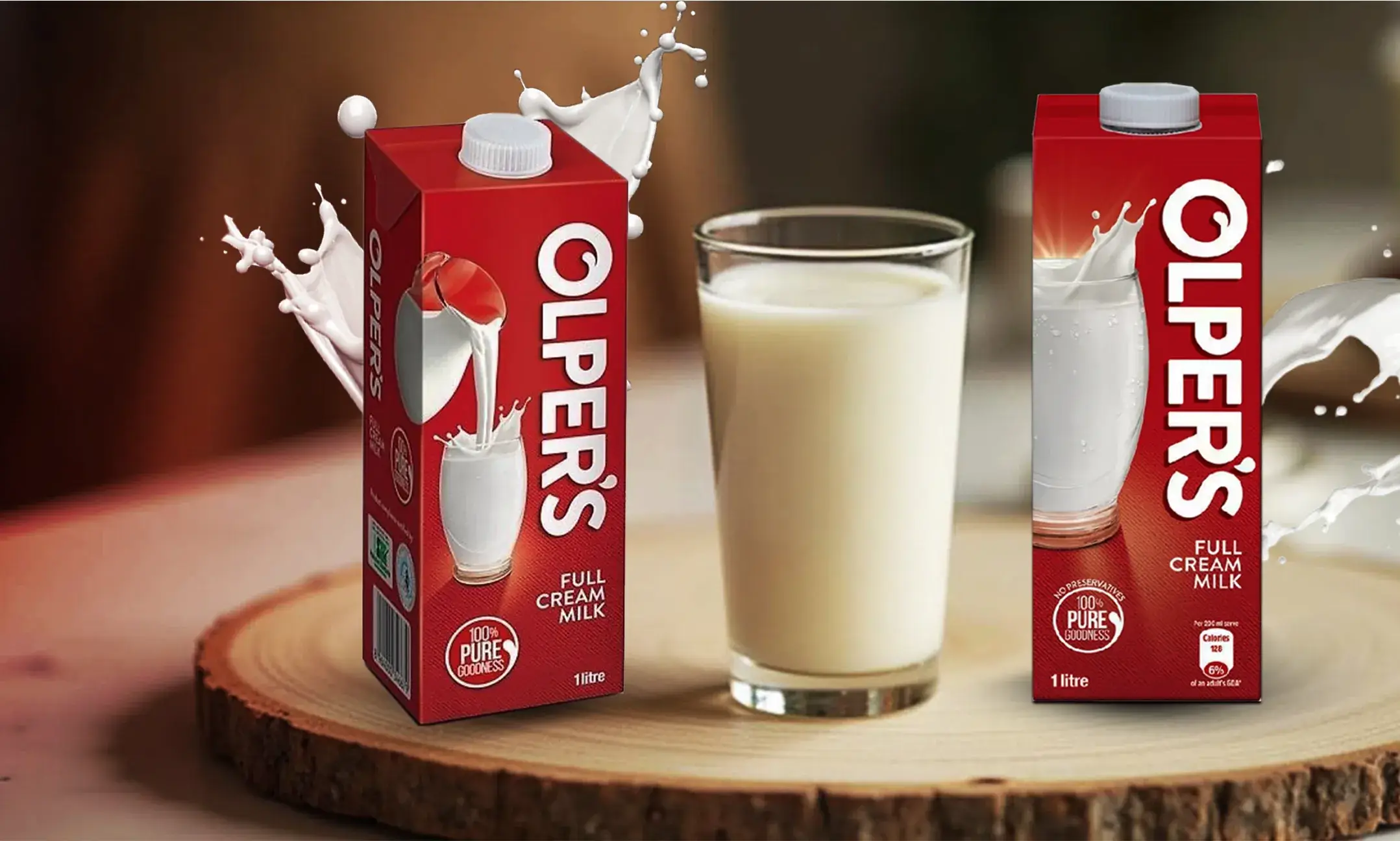
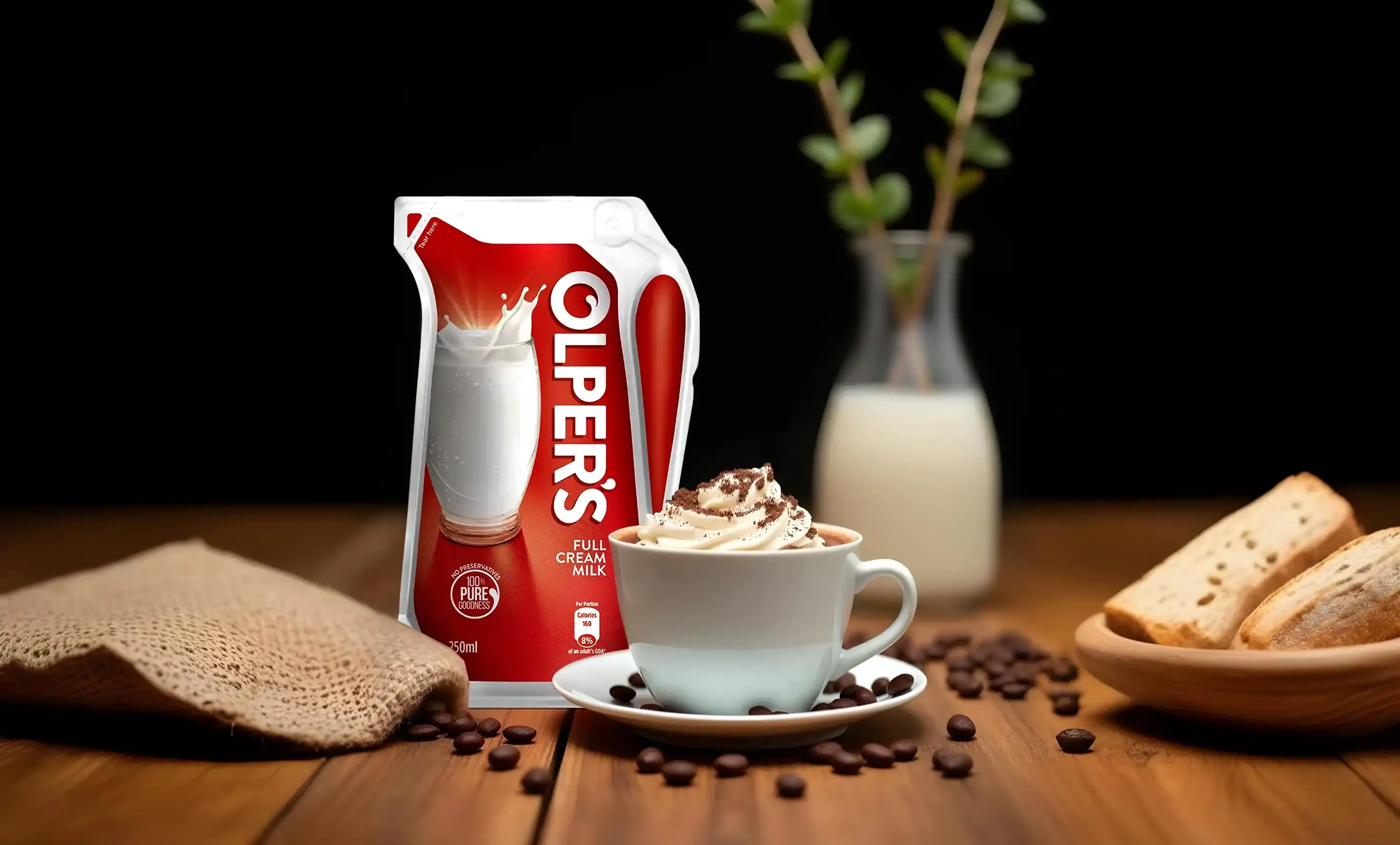
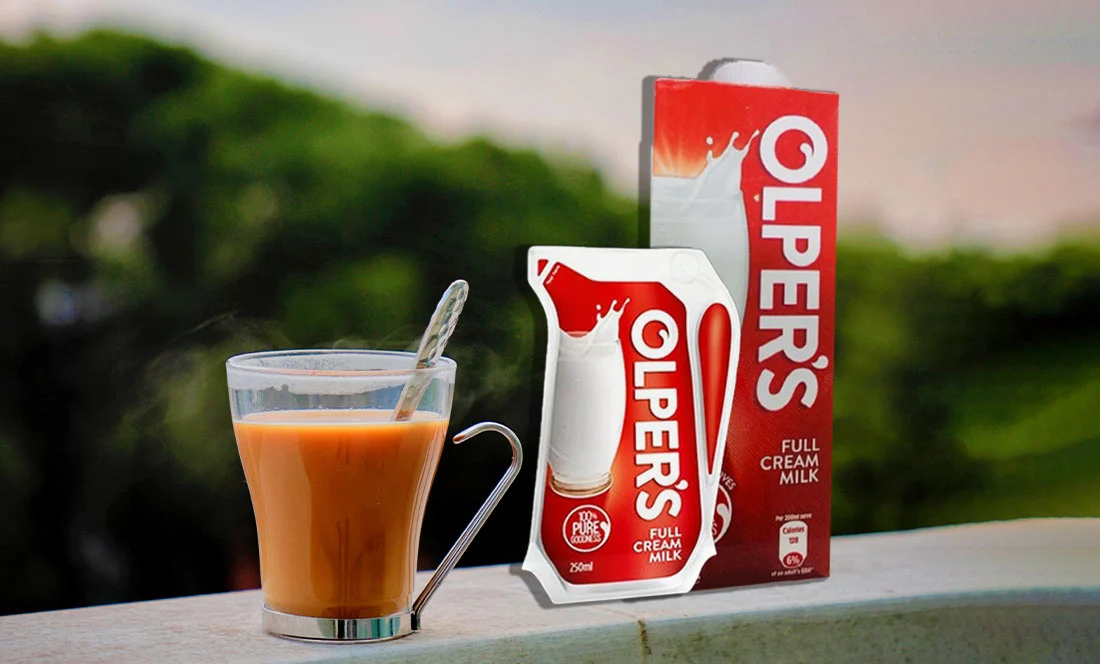
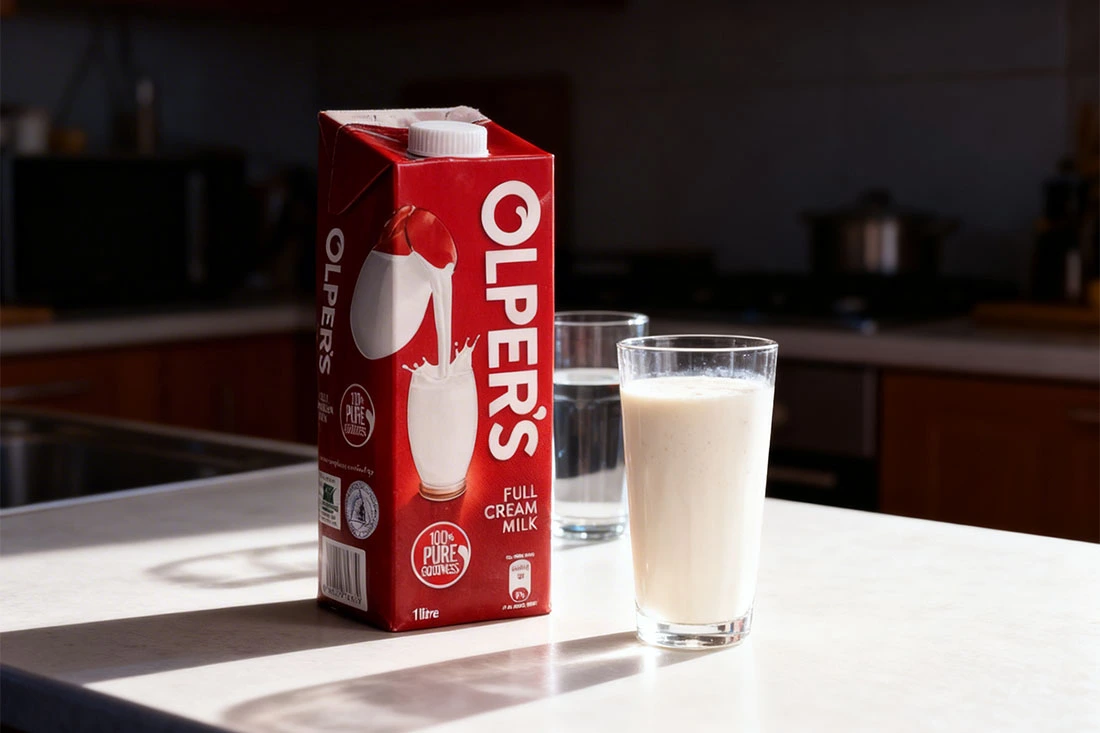
Full cream milk, also known as whole milk, is milk that retains its natural fat content. Typically, it contains around 3-4% milk fat, which gives it a creamy texture and rich taste.
Because the fat remains intact, full cream milk also contains naturally occurring fat-soluble vitamins such as vitamins A, D, E, and K. These nutrients play an important role in supporting immune health, bone strength, and overall wellbeing.
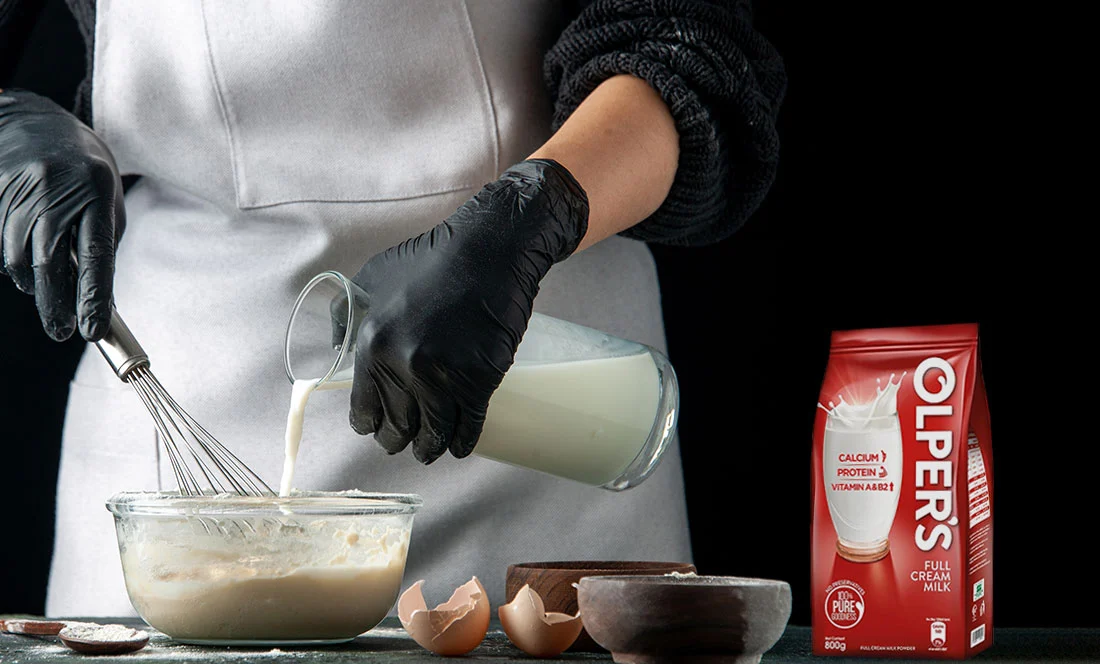
Full cream milk is commonly used in coffee, tea, cooking, baking, and desserts because its creamy consistency enhances flavor and texture. Many people also enjoy drinking it on its own because of its satisfying taste.
What Is Skim Milk?
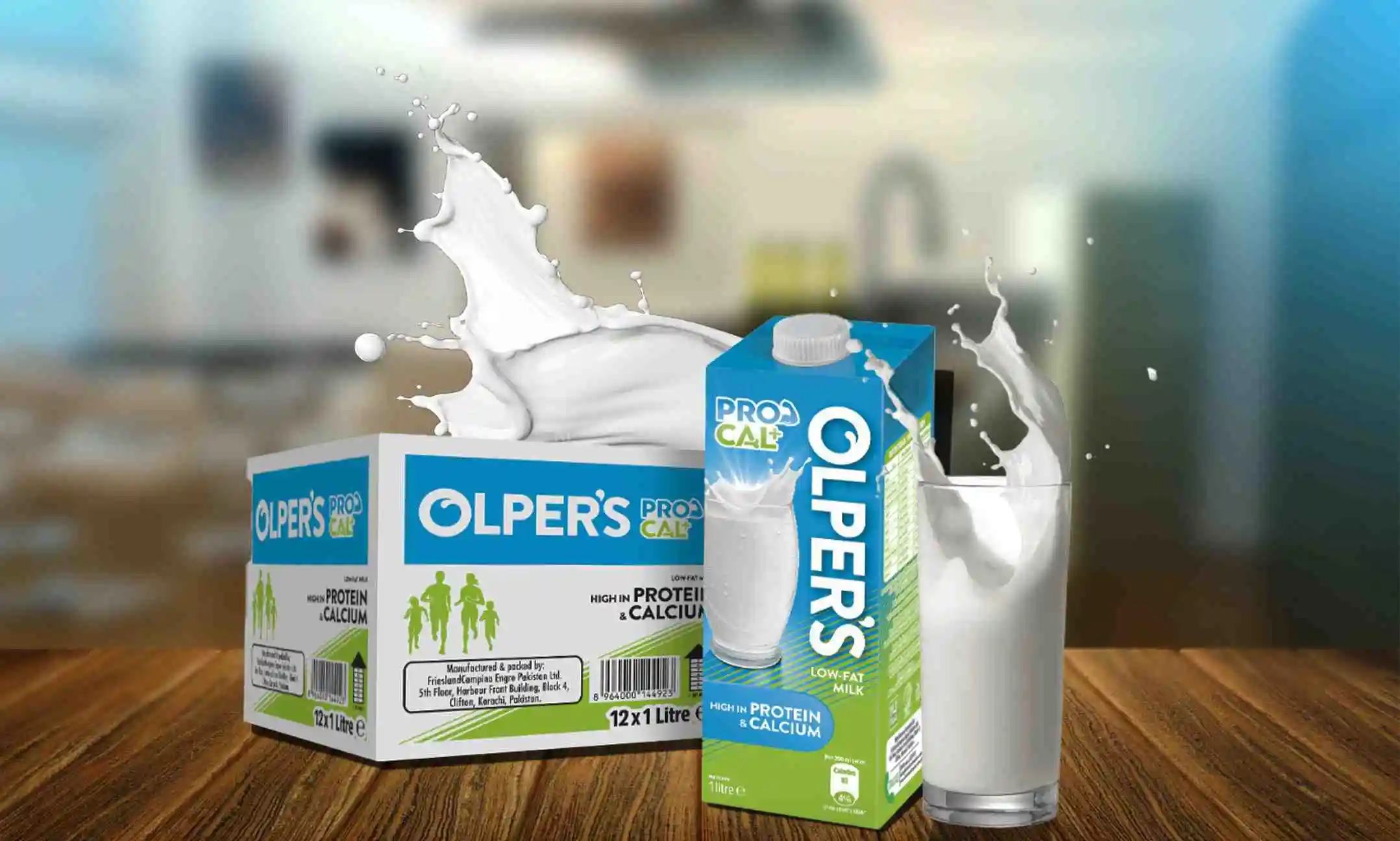
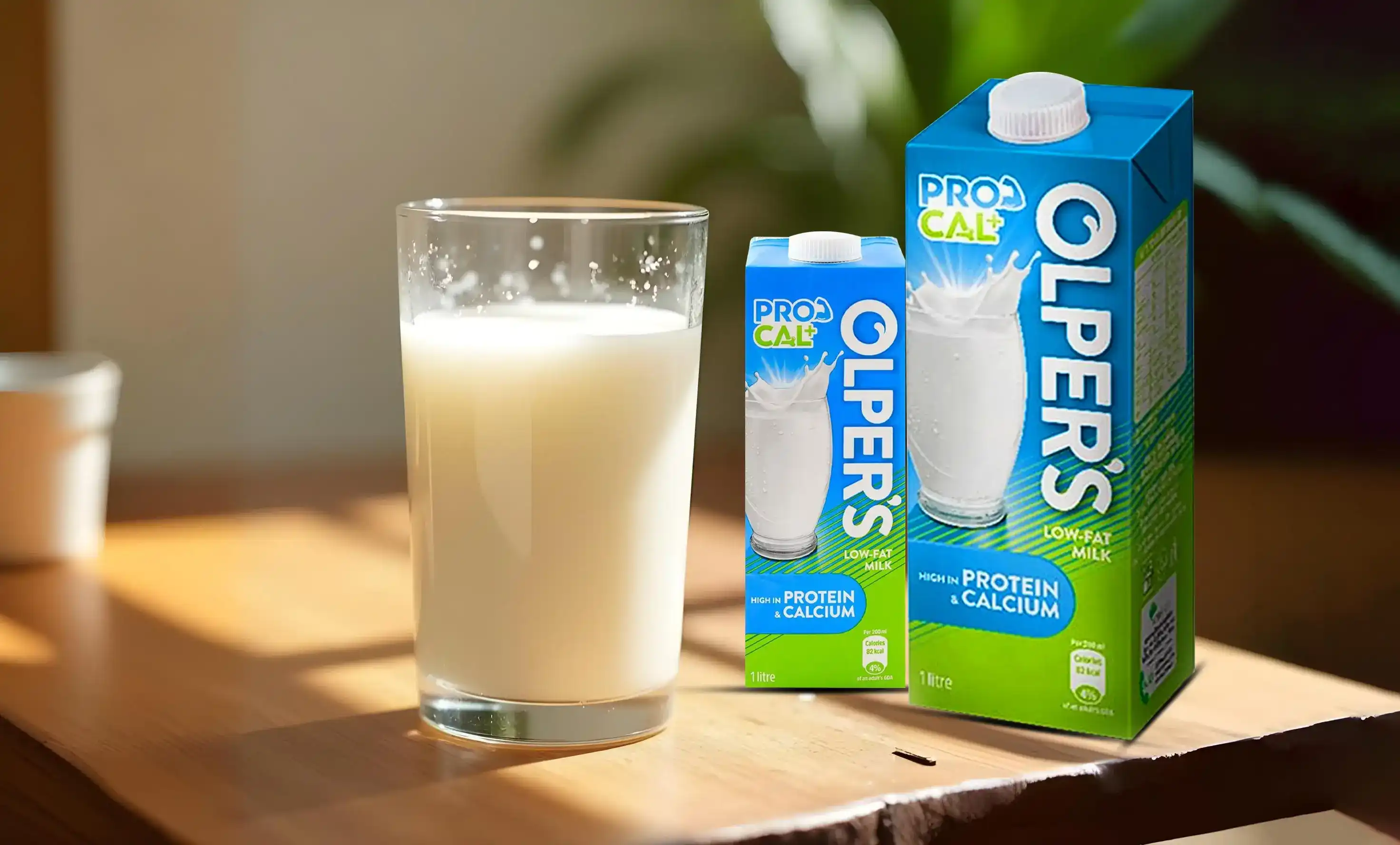
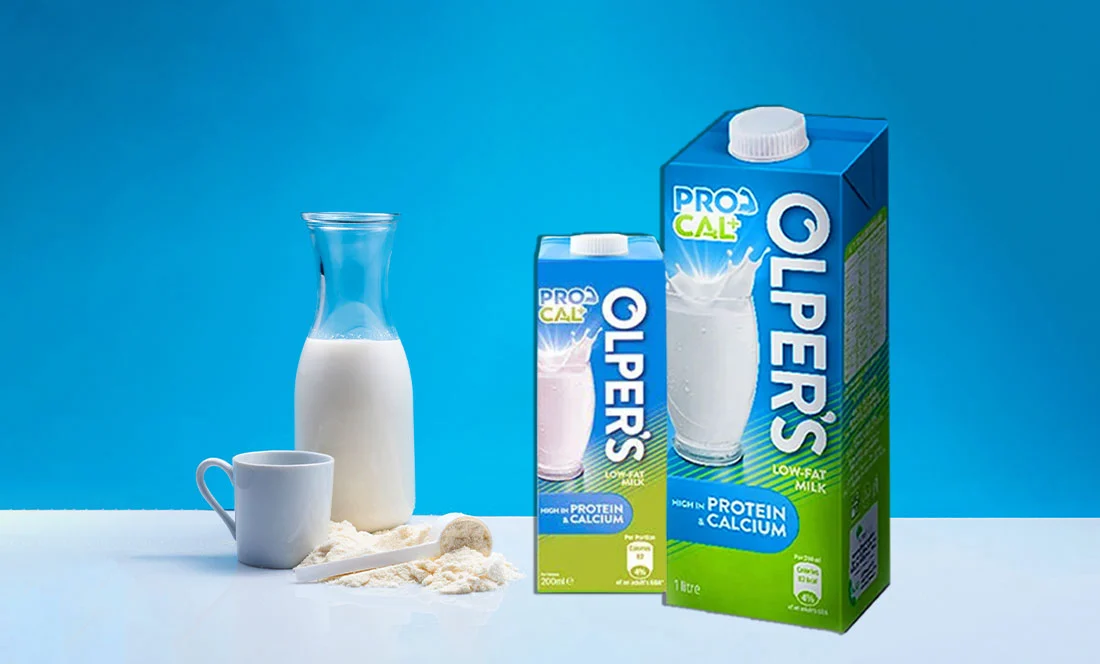
Skim milk is milk that has had most of its fat removed during processing. The final product usually contains less than 0.5% fat, making it a much lighter option compared to full cream milk.
Even though the fat is removed, skim milk still provides many of the same essential nutrients, including calcium, protein, and certain vitamins. Because of its reduced fat content, it contains fewer calories, which makes it appealing to people who are trying to manage their calorie intake.
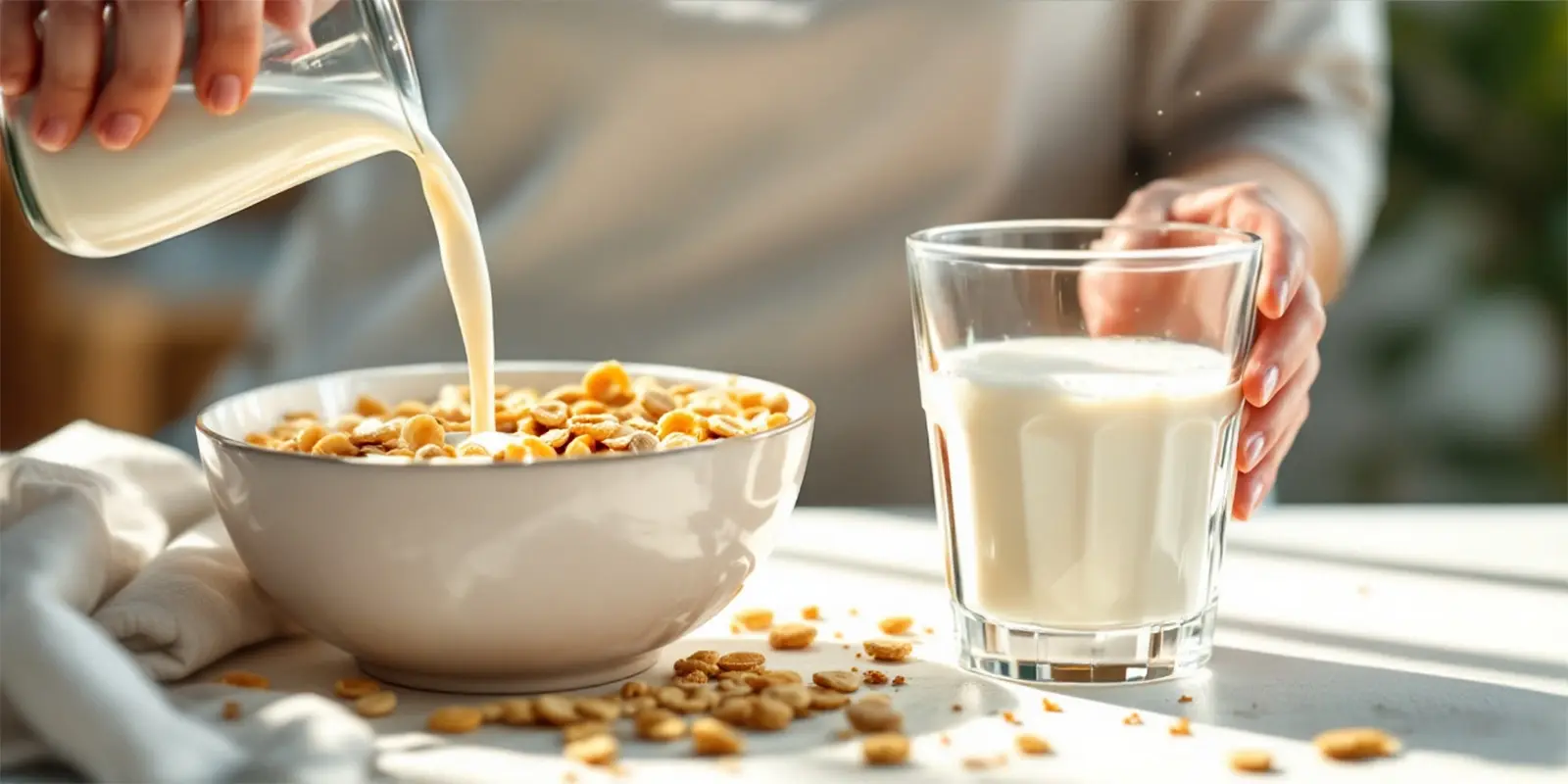
Skim milk has a thinner texture and milder taste, which some people prefer for drinking, cereal, or smoothies.
Why People Choose Full Cream Milk?
Many people choose full cream milk because of its rich flavor and satisfying texture. The natural milk fat creates a creamy consistency that enhances the taste of beverages and foods.
Another reason people prefer full cream milk is its natural nutrient profile. Since the fat is retained, fat-soluble vitamins remain present in their natural form.
Full cream milk is also highly versatile in the kitchen. It is commonly used for:
- Cooking sauces and soups
- Baking cakes and desserts
- Preparing creamy beverages like coffee or hot chocolate
- Making yogurt, custards, and puddings
For individuals who need extra energy or calories, full cream milk can be a beneficial choice.
Why People Choose Skim Milk?
Skim milk is often selected by people who want to reduce their fat intake without completely giving up milk.
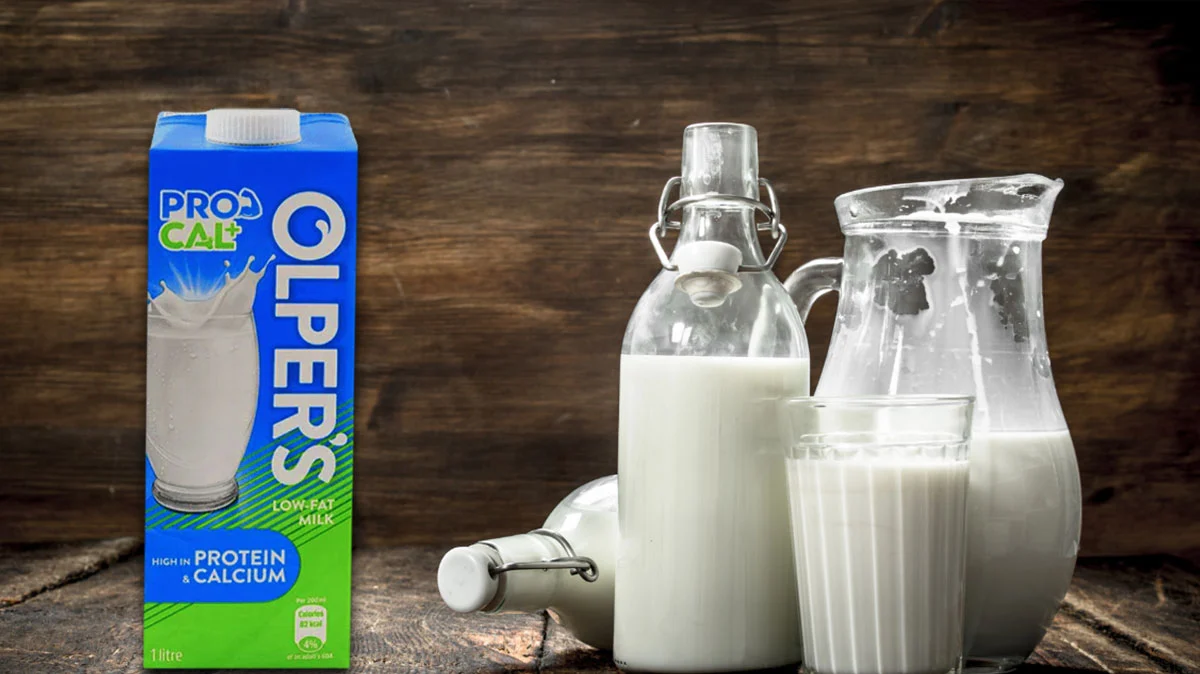
Because it contains significantly less fat, skim milk has fewer calories, which can support weight-management goals. It is also commonly recommended for individuals following low-fat or heart-healthy diets.
Some people also prefer skim milk because it feels lighter and less heavy compared to whole milk.
Skim milk is frequently used for:
- Breakfast cereals
- Smoothies and protein shakes
- Coffee and tea for those who prefer a lighter texture
- Daily consumption in calorie-controlled diets
How Full Cream Milk vs. Skim Milk Differ?
|
Feature
|
Full Cream Milk
|
Skim Milk
|
|
Fat Content
|
3-4%
|
Less than 0.5%
|
|
Calories
|
Higher
|
Lower
|
|
Taste
|
Creamy and rich
|
Light and slightly watery
|
|
Vitamins
|
Fat-soluble vitamins retained
|
Some fat-soluble vitamins may be lower
|
|
Best For
|
Cooking, baking, energy needs
|
Weight management and low-fat diets
|
This comparison shows that the main difference lies in fat content and calorie levels, which affect taste and nutritional balance.
Which One Should You Choose?
The best choice depends on your dietary needs and personal preferences.
You may prefer full cream milk if you:
- Enjoy a richer taste
- Use milk frequently for cooking or baking
- Need extra calories or energy in your diet
You may prefer skim milk if you:
- Are trying to reduce fat intake
- Are following a low-calorie diet
- Prefer a lighter milk option
In many cases, both types of milk can fit into a balanced diet. The key is choosing the option that aligns with your health goals and lifestyle.
Final Thoughts on Full Cream Milk vs. Skim Milk
Both full cream milk and skim milk have their own advantages. Full cream milk offers rich flavor, natural creaminess, and higher energy, while skim milk provides a lighter, lower-fat alternative. Rather than one being universally better than the other, the right choice depends on your nutritional goals, taste preferences, and lifestyle. By understanding the differences between these two types of milk, you can make a more informed decision and enjoy milk in a way that best supports your daily diet.
FAQs Regarding Full Cream vs Skim Milk
Is full cream milk healthier than skim milk?
Both types of milk offer important nutrients. Full cream milk contains natural milk fats and fat-soluble vitamins, while skim milk provides similar nutrients with fewer calories.
Can kids drink skim milk?
Children generally benefit from the energy and nutrients found in full cream milk, especially during early growth stages. However, skim milk may be suitable for older children depending on dietary needs.
Does skim milk taste different?
Yes. Skim milk has a lighter texture and milder flavor compared to the richer and creamier taste of full cream milk.
Which milk is better for heart health?
Skim milk may be preferred for heart-healthy diets because it contains less saturated fat. However, moderation and overall diet quality are also important factors.
Can I use full cream milk in cooking instead of skim milk?
Yes. Full cream milk can easily replace skim milk in most recipes and will often create a richer flavor and creamier texture.