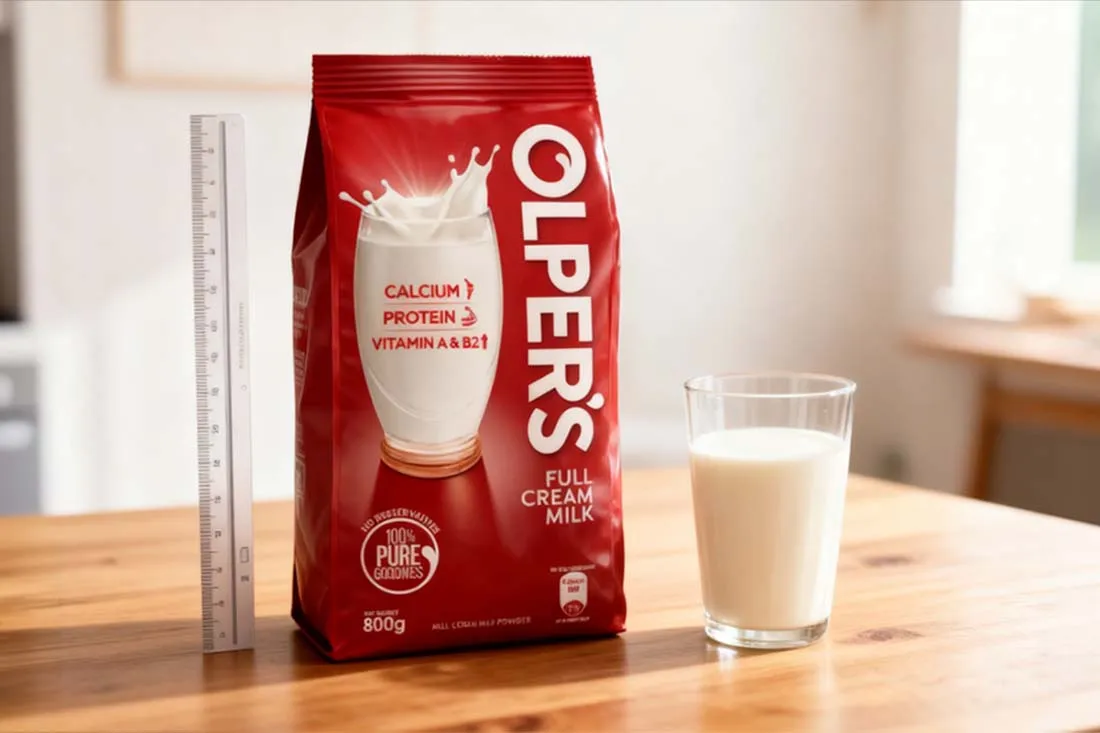
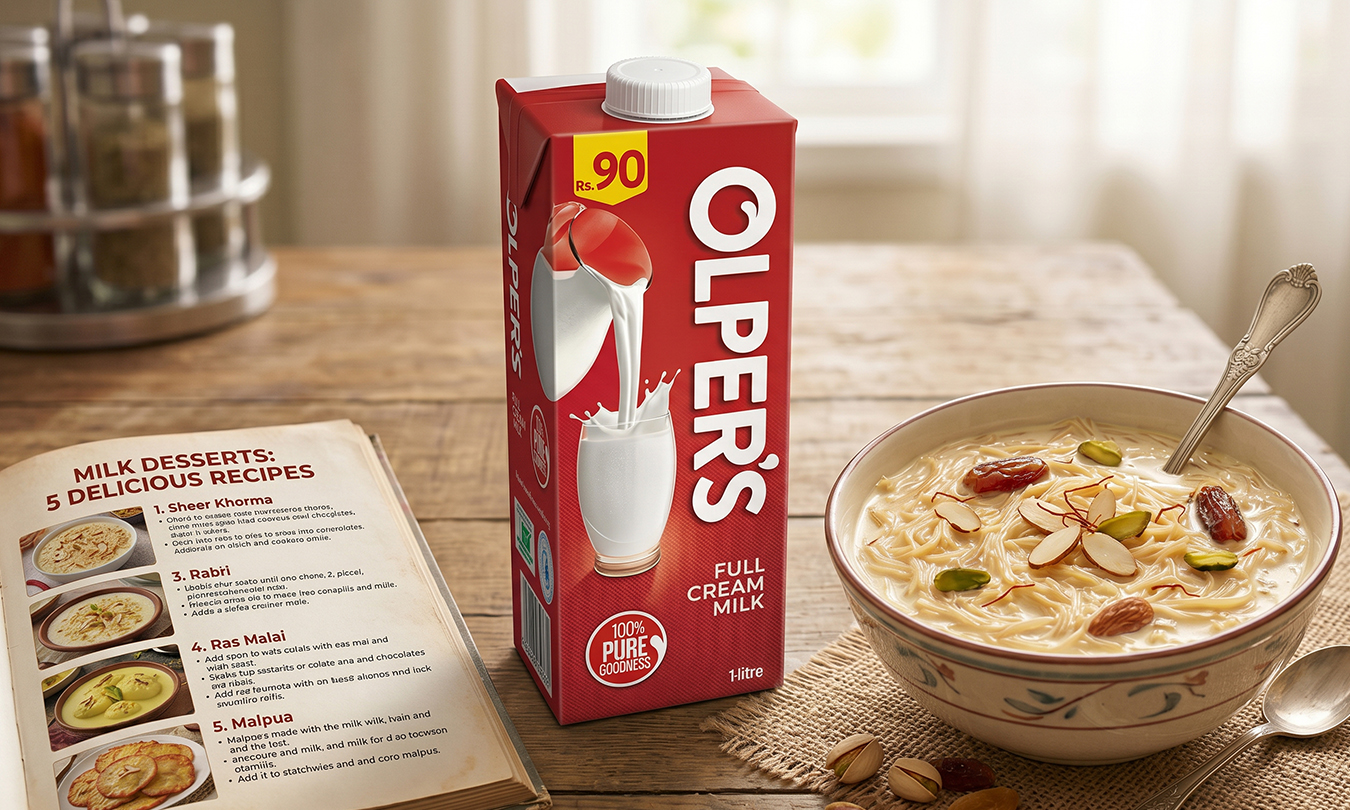
In Pakistan, Dairy products are not just food; they are part of our soul. Healthy Dairy Habits Every Pakistani Family Should Follow. From the rich malai on morning parathas to the refreshing glass of lassi in the scorching summer heat and the warm chai that comforts us every evening, dairy is woven into the fabric of our daily lives. As the third-largest producer of milk, we know how much value lies in this golden liquid.
Getting our beloved family members their proper nutrition can be quite challenging for us. Since Pakistan’s dairy products are rich in nutrients like calcium and protein, it becomes important for us to develop healthy practices in order to make use of their goodness to the maximum extent possible. We can now take a look at some family nutrition tips and practices.
Understanding the Role of Dairy in Your Family’s Nutrition
Before diving into the habits, first let’s remind ourselves of the importance of dairy products. They are outstanding with all the nutrients that we need.
Calcium for Strong Bones:
Dairy is one of the best sources of calcium, which is crucial for building and maintaining strong bones and teeth. This is especially important for children and the prevention of osteoporosis.
Protein for Growth:
The high-quality protein in dairy products helps build and repair tissues, which is essential for muscle development and overall growth.
Essential Vitamins:
Many types of dairy products in Pakistan contain Vitamin D, which helps in absorbing calcium in the body. Dairy is also a rich source of Vitamin A, B12, zinc, and potassium.
The following are some easy-to-implement practices:
1. Prioritize Purity: Choose Safe and Quality Dairy Products
The very first thing to consider is whether the healthy dairy products brought into the home are safe.
The Khula Doodh Caution:
Although there may be some potentially dangerous bacteria in naturally obtained raw milk. In case you prefer the former approach, it is required to heat the milk immediately upon its purchase. One should bear in mind that heating leads to a decrease in nutritional value.
The Processed Milk Promise:
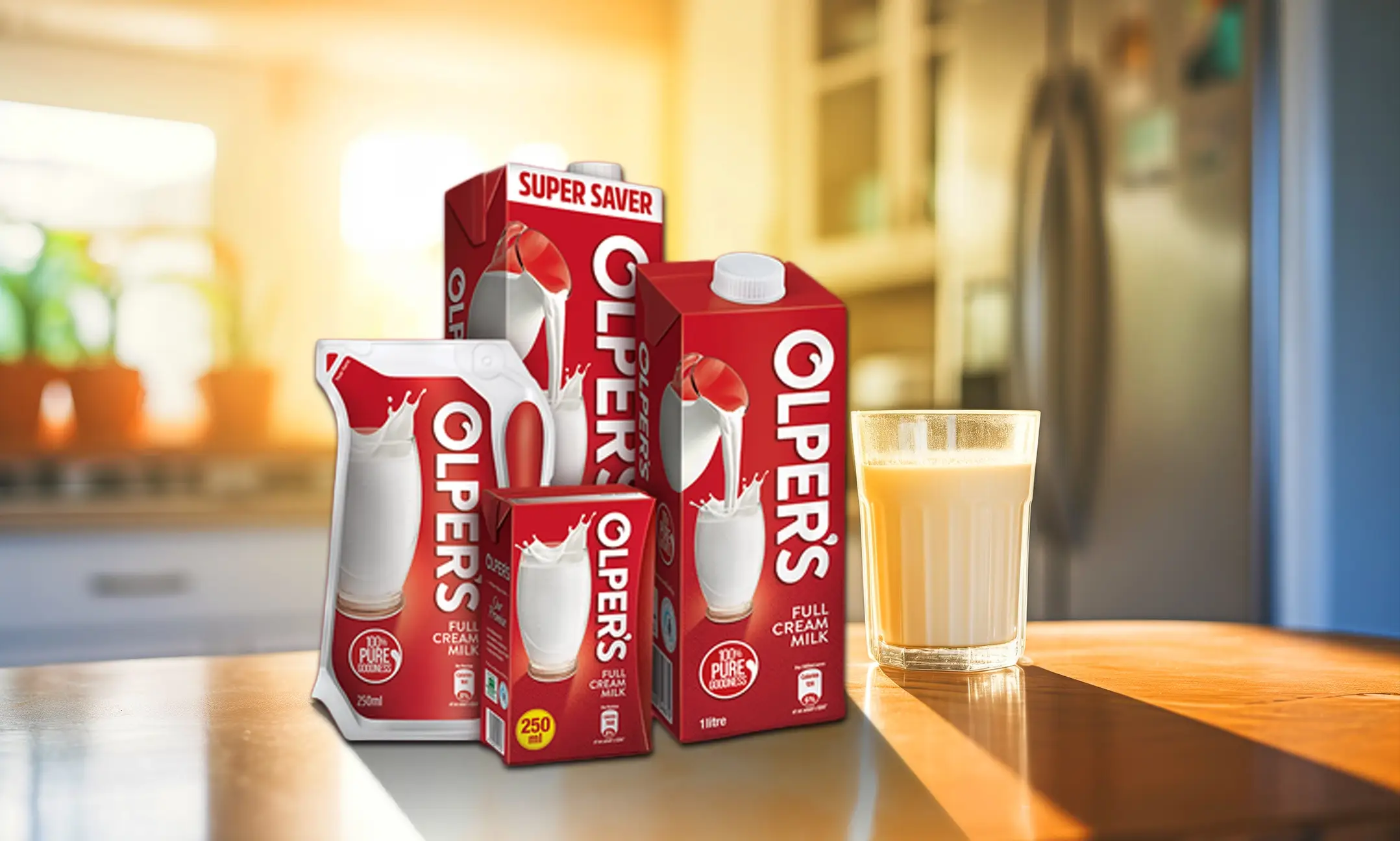
Packaged milk, whether UHT tetra packs or pasteurized milk from famous companies, always boils before packaging to make sure that there are no germs inside it. Many companies fortify their milk products with vitamins A and D.
The Healthy Habit:
You should always choose dairy products from reliable and hygienic sources. If you purchase milk that is unprocessed, then handle it with great caution.
2. Embrace the Goodness of Yogurt and Lassi:
Yogurt is a nutritional powerhouse and a staple in Pakistani cuisine, often used in raitas or enjoyed plain.
Digestive Hero:
Yogurt contains probiotics, which are beneficial bacteria that keep your gut healthy and aid digestion. This is particularly useful in Pakistan, where foods are common.
Immunity Booster:
A healthy gut often leads to a stronger immune system. Regular consumption of yogurt can help your family fight off infections.
The Perfect Lassi:
Lassi prepared from yogurt is not only refreshingly delicious but also a great way to fulfill your daily requirement of healthy dairy products. Lassi is definitely a healthier choice than carbonated beverages.
The Healthy Habit:
Incorporate dahi into at least one meal a day. Serve it as raita with lunch or dinner, or enjoy a cup of plain yogurt as a snack. Make lassi a regular beverage choice during the summer.
3. Practice Moderation with Traditional Dairy Delights
We love our desi ghee malai makhan and sweets like kheer and barfi. While delicious these are concentrated sources of energy, fats, and often sugar.
The Ghee Factor:
Desi ghee is rich in fat-soluble vitamins and is traditional for cooking. However, it is also high in saturated fat, which should be consumed in moderation for heart health.
Mala’i and Makhan:
These land richness of our dishes but are also high in fat. Use them sparingly.
Sweet Treats:
Dairy-based desserts are a wonderful part of our culture, but the added sugar can be a concern. Enjoy them as occasional treats, not daily staples.
The Healthy Habit:
Enjoy these traditional foods in small portions and on special occasions. Balance their consumption by including plenty of fruits, vegetables, and whole grains in their daily diet.
4. Aim for the Right Daily Dairy Intake
How much dairy is enough? While individual needs can vary, general guidelines suggest:
- Age 1-3 years: 1.5 to 2 servings each day.
- Age 4-8 years: 2.5 servings each day.
- Older children, adolescents, and adults: Try to get about 3 servings each day.
What counts as one serving?
- 1 cup 250ml of milk
- 1 cup (250 g) of yogurt
- 1.5 ounces approx. 40g of natural cheese like paneer
The Healthy Habit:
Consider the total amount of dairy products that your family consumes in one day. Begin the day by drinking milk for breakfast, consume yogurt at lunchtime, and possibly drink milk at night.
5. Make Dairy Fun for Kids Without the Added Sugar:
Getting kids to drink plain milk can sometimes be a battle.
The Sugar Trap:
Many parents resort to sugary drink powders or pre-flavored milks to make milk palatable for children. While these might contain some calcium, the excessive added sugar can be detrimental to their long-term health, leading to tooth decay and other issues.
Creative Alternatives:
Instead of sugary additives, try making fresh fruit smoothies using milk, yogurt, and bananas, mangoes, or strawberries.
The Healthy Habit:
Offer plain, unflavored milk as the first option. If flavor is needed, use natural sources like fresh fruits. Avoid making sugary dairy products a daily part of your dairy intake
6. Watch Out for Excessive Fat and Sugar in Processed Products
When buying packaged dairy products, it's vital to read labels.
Creamy and Sweet:
Products like heavy cream flavored yogurts and some types of cheese can be high in saturated fat and added sugars.
Healthy Lifestyle Habits:
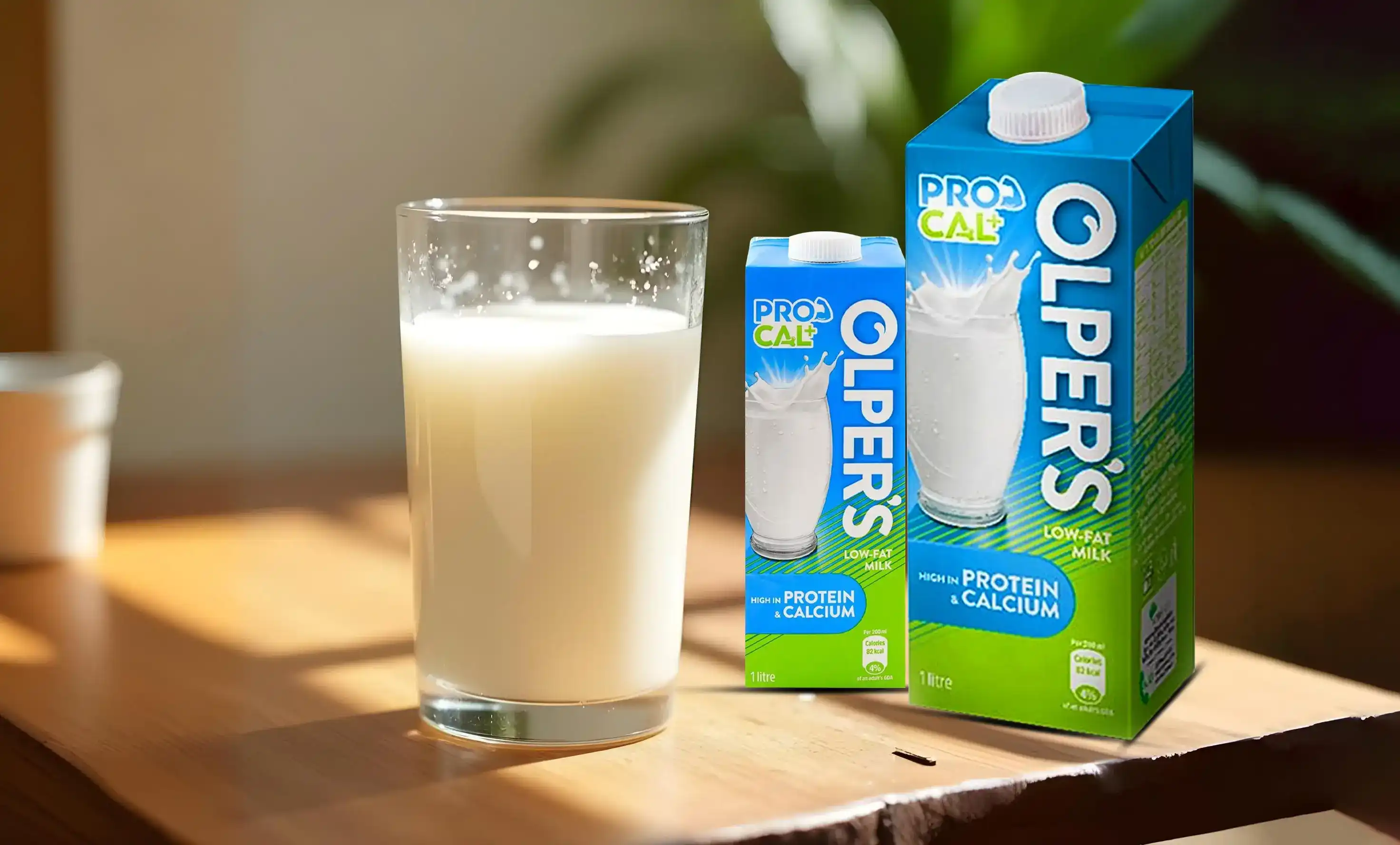
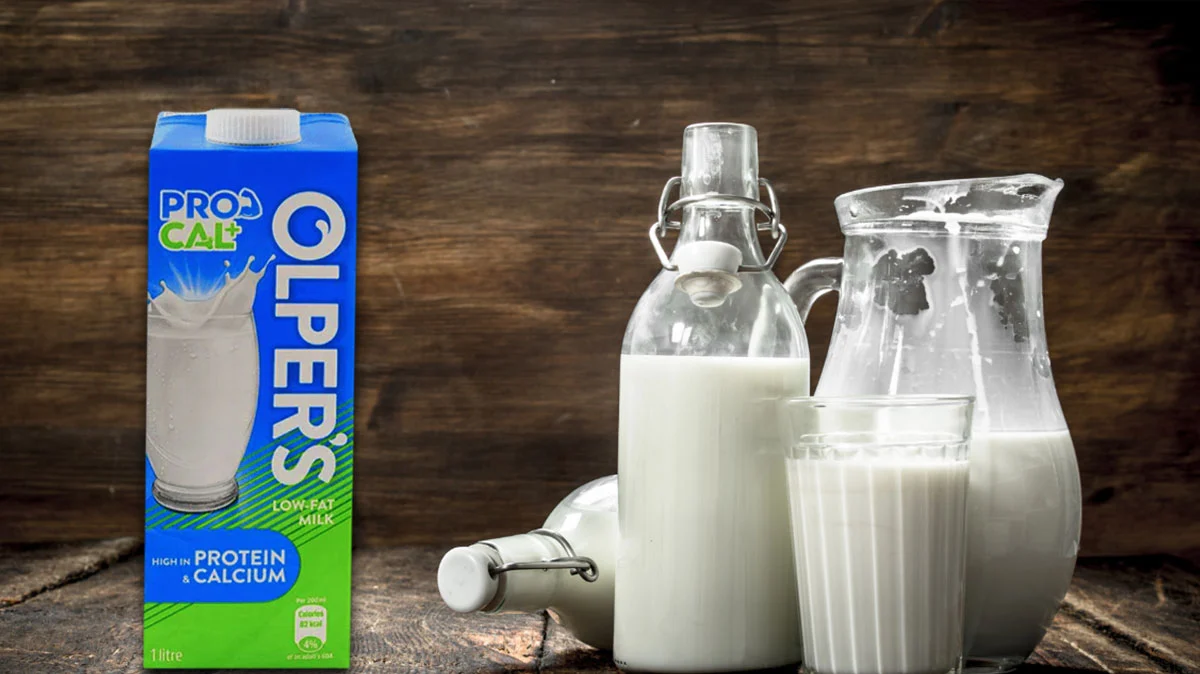
As part of a larger push toward healthy lifestyle habits, choosing lower-fat or no-sugar added options when possible can be beneficial, especially for adults concerned about their heart health.
The Healthy Habit:
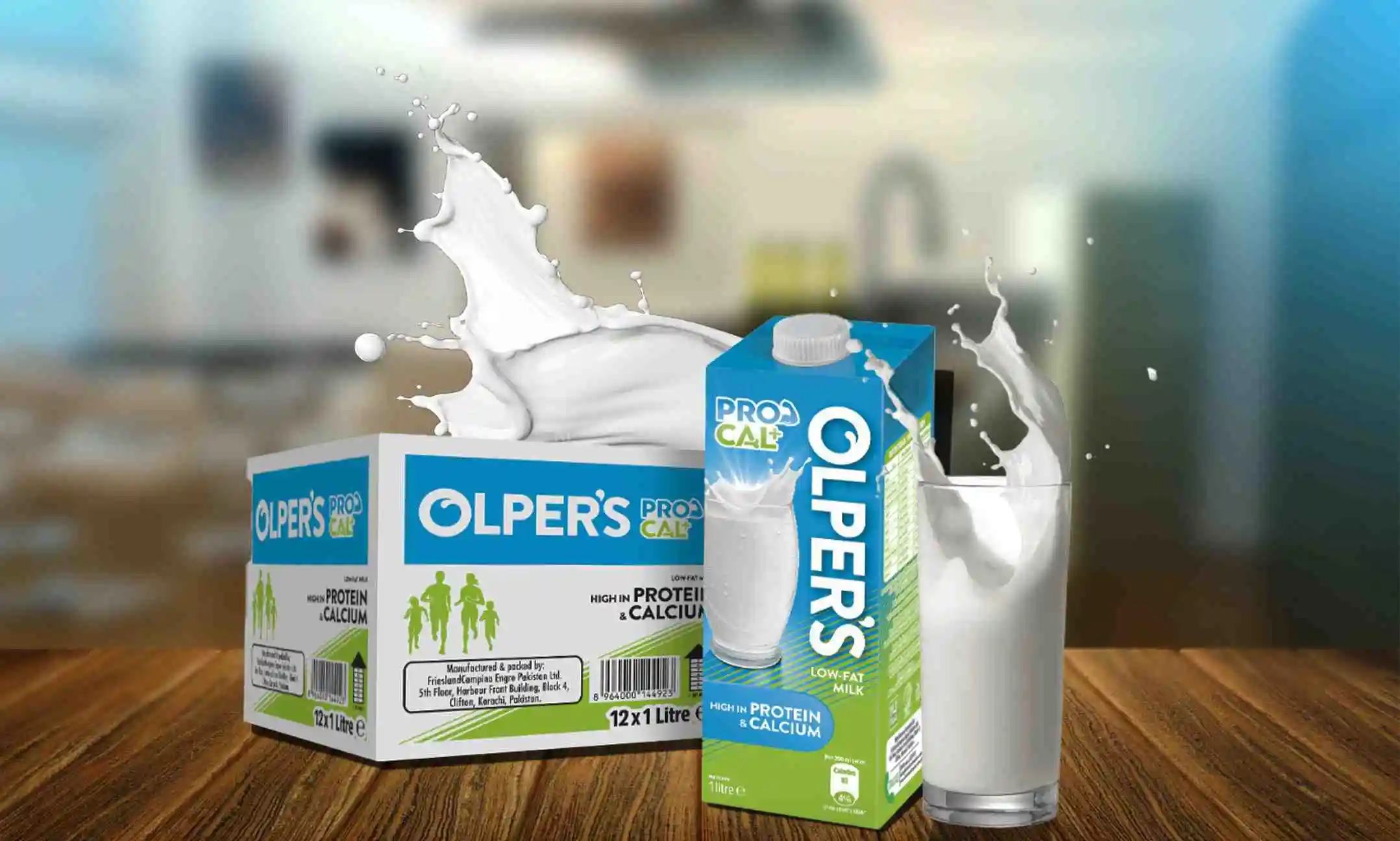
Get in the habit of checking the nutritional information on packaged dairy products. Opt for low-fat versions of milk or yogurt and choose natural yogurt over flavored ones which often have hidden sugars.
Conclusion:
This is not about doing away with all the delicious things we have been enjoying but rather making smart decisions that benefit us as well as our families and also contribute to a balanced diet .Through concentrating on the safety of products by embracing the probiotics of yogurt by being moderate in using those dairy products that are very rich in fats and reducing sugar consumption we can continue our culture of dairy in Pakistan and create a better future for ourselves and our family members.
This is a step-by-step approach from one glass of milk and one cup of yogurt.
Frequently Asked Questions FAQs
Which is better for children, raw milk or tetra pack milk?
UHT Tetra-Pak milk is usually advised to be given to kids since it is safe and hygienic. It is boiled before sealing and therefore does not contain any bacteria that might be found in unboiled milk. The good thing about many manufacturers of this type of milk is that they add important vitamins such as A and D.
How do I know if my milk is pure or adulterated?
There are some tests that need to be conducted on milk in order to test for contamination. However the best way to ensure its purity is by purchasing it from reputable brands.
Is desi ghee good for health?
Desi ghee contains fat-soluble vitamins and is a traditional cooking medium. However it is also high in saturated fat. It can be part of a healthy diet but should be consumed in moderation especially by adults.
Can adults drink milk every day?
Yes dairy is a good source of calcium protein and other nutrients for adults of all ages helping to maintain bone density and support overall health.
How much milk should my child drink daily?
Even though the requirements differ from person to person, it would be safe to state that 2-3 glasses of milk or an equal amount of other dairy foods such as yoghurt should be consumed daily.
What are some healthy ways to use dahi yogurt?
Dahi can be used to make raita enjoyed plain mixed with fruits for a snack or used in smoothies. It is a versatile and healthy addition to many meals.
Can we give milk to children when they have a cold or cough?
This is a common traditional belief, but medical evidence generally does not support the idea that milk increases mucus production during a cold. Dairy provides needed fluids and nutrients, which are important when a child is sick. If you have concerns, speak with your doctor.
Is full-fat milk better than low-fat milk for children?
Milk that is low in fat content should be considered for children above two years of age as it supplies all the essential nutrients without having much saturated fat. This is subject to the diet and development of the particular child. Children below two years of age can take whole milk. Consult your child's physician.
Are flavored milks a good option for kids?
Flavored milks often contain a lot of added sugar which can contribute to tooth decay and other health problems. While they provide calcium, it is better to encourage children to drink plain milk or milk naturally flavored with fruit in a smoothie.
What is the best way to introduce dairy to an infant?
Breast milk or formula is the main source of nutrition for infants up to one year. After that, you can consult with your pediatrician about introducing cow’s milk and other dairy products as part of a varied solid food diet.